
Thermoformed Packaging ESD Plastic Trays
Thermoformed Packaging Trays 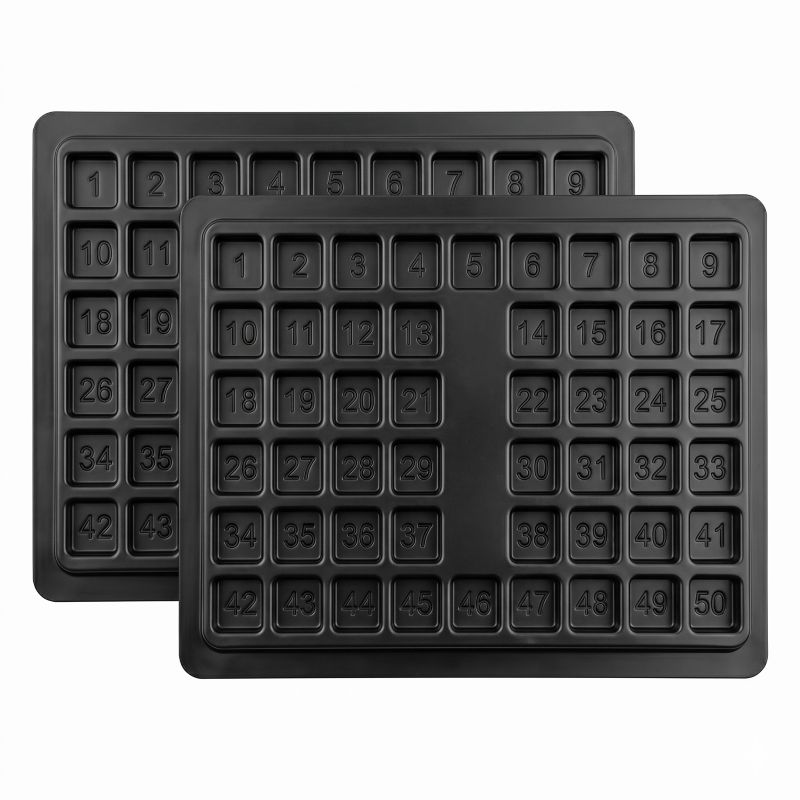 including ESD Stock Compartment Trays using ESD-safe materials. Thermoform packaging materials include conductive styrene, anti-static PVC, anti-static PETG, and white styrene.
Thermoform Packaging Plastic Trays and Lids:
ESD-Safe Lids include form features which fit into tray cavities and secure small parts.
THERMOFORMED PACKAGING ESD TRAYS are in order of cavity length smallest to largest. STOCK (1-3 days) or RUN TO ORDER(2-3 weeks).
Showing 1–30 of 65 results
-
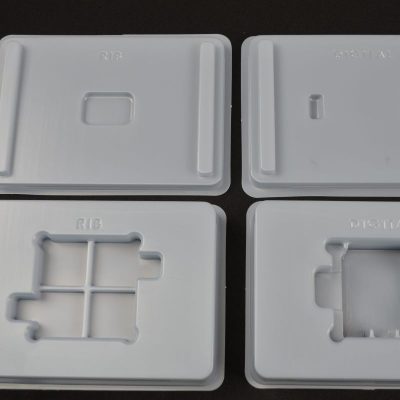
Thermoformed Packaging Custom ESD Trays
-
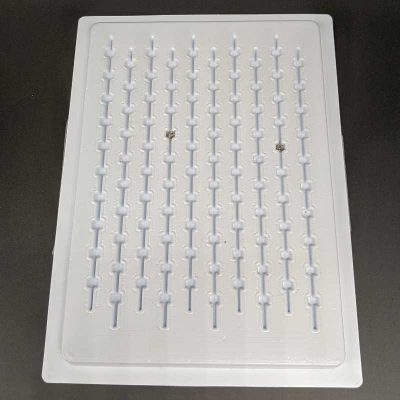
Small Cavity Plastic Tray .15 X .15
-
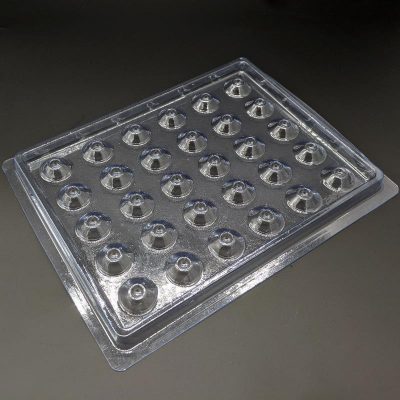
Plastic Tray Lid .250Dia.
-

ESD Shipping Tray .28 Dia.
-
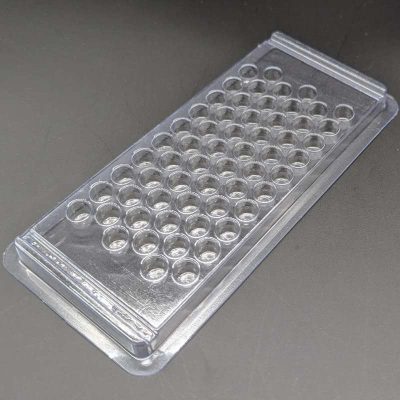
ESD Shipping Tray .28 X .25
-
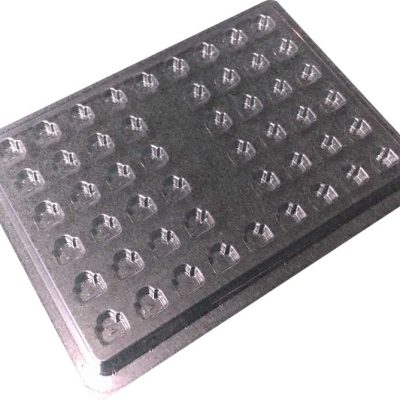
Small Cavity Plastic Tray .33 X .2 X .2
-
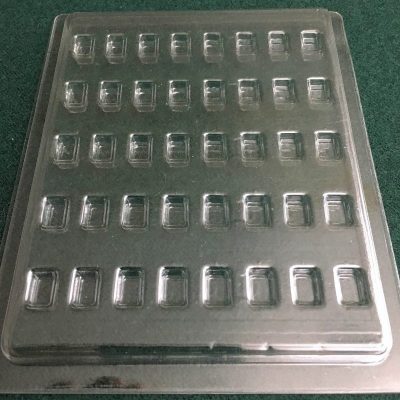
Thermoformed Plastic Tray and Cover .325 X .210 X .2
-
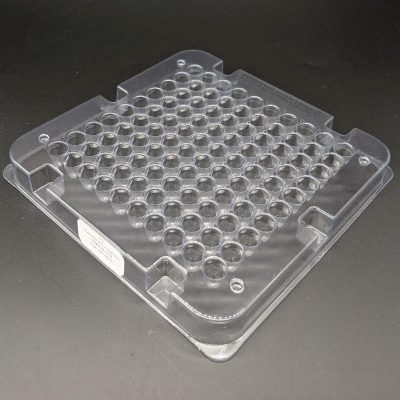
Cone Shape Cavity Tray .365
-
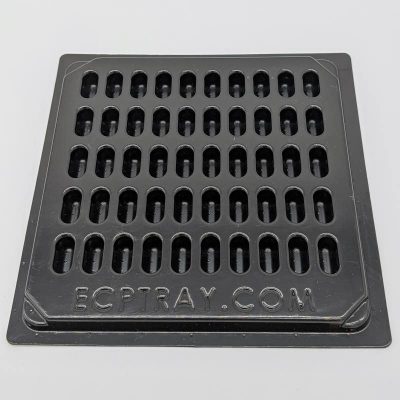
Micro Cavity Tray ESD Black
-
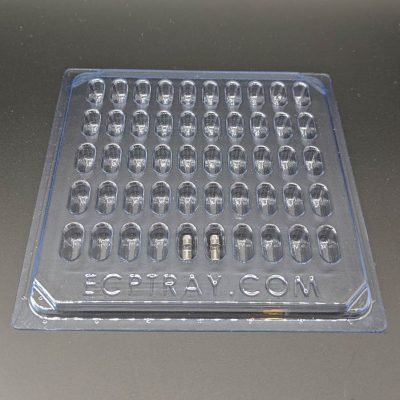
Micro Cavity Tray ESD Clear
-
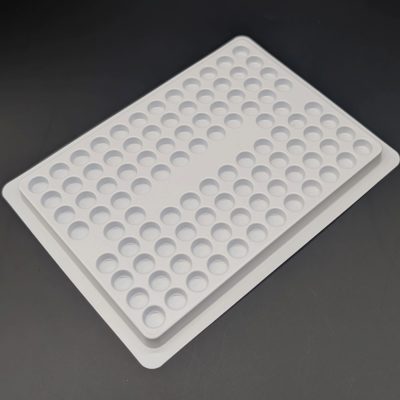
Low Cost Styrene Tray .375 Diameter
-
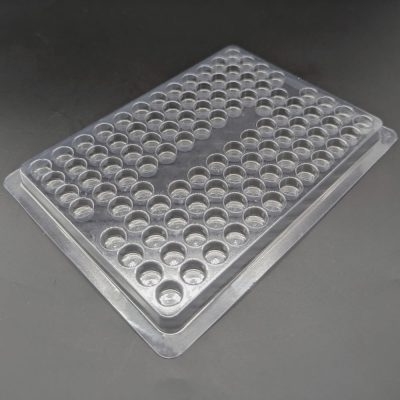
Small Cavity Plastic Trays .375 Diameter
-
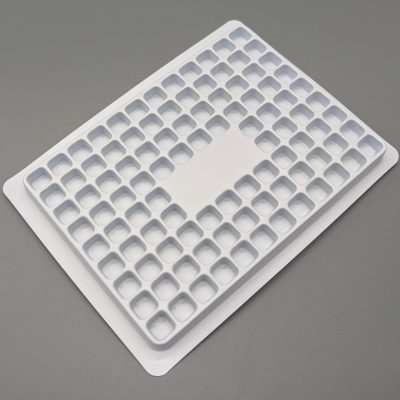
Low Cost Tray .380 X .350 X .275
-
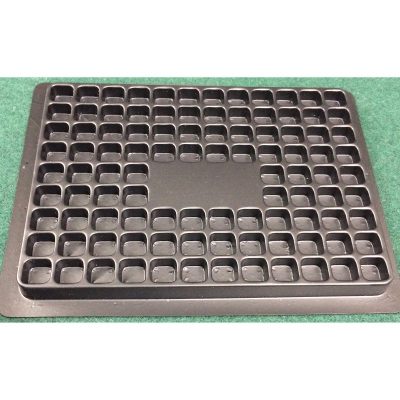
Thermoformed Packaging Plastic Tray .380 X .350 X .275
-
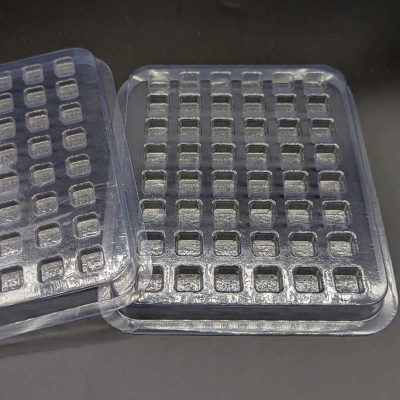
ESD Shipping Tray .4 X .4
-
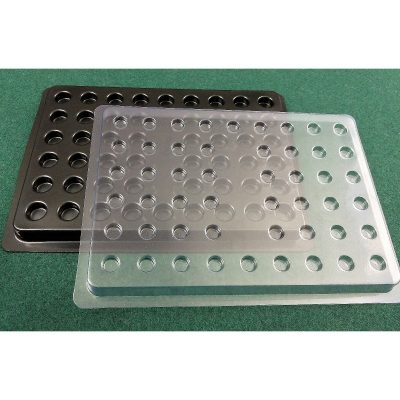
Small Cavity Plastic Trays .400 Diameter X .2
-
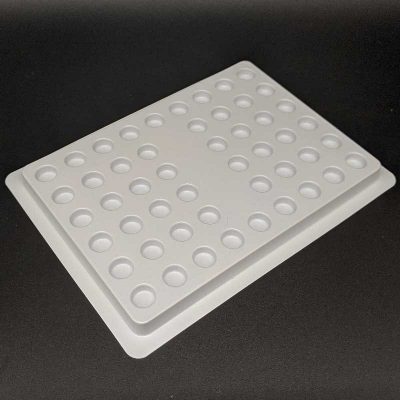
Small Cavity White Tray .400 Diameter X .2
-
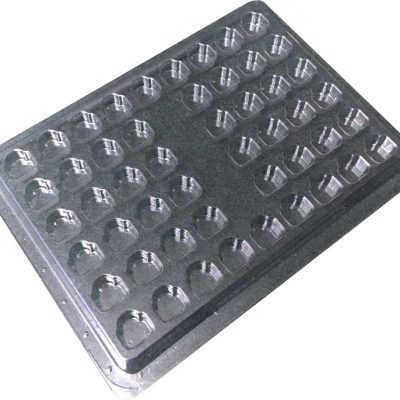
Small Cavity Plastic Tray .42 X .28 X .3
-
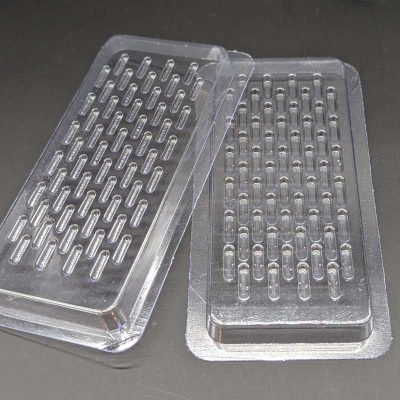
ESD Shipping Tray .44 X .1
-
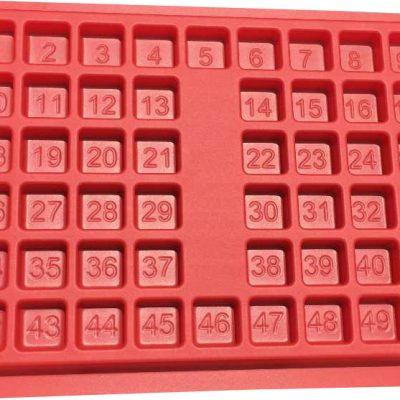
Red Cavity Tray .525 X .525 X .25
-
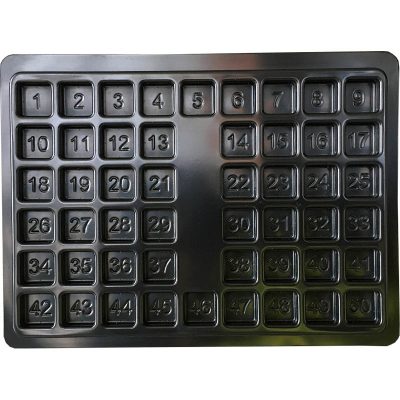
Small Cavity Conductive Trays .525 x .525 x .25
-
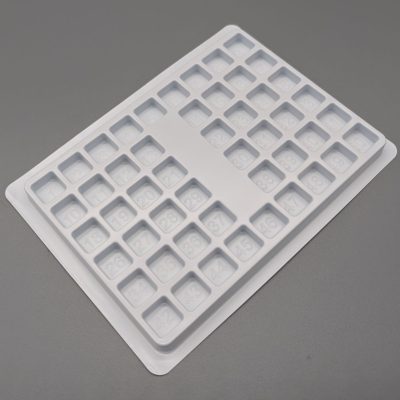
Thermoformed Packaging Tray .525 x .525 x .25
-
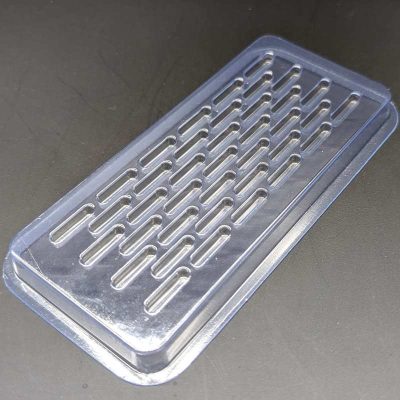
ESD Shipping Tray .625 X .125
-
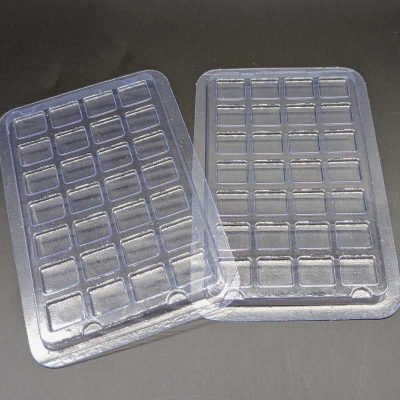
ESD Shipping Tray .625 X .5 X .06
-
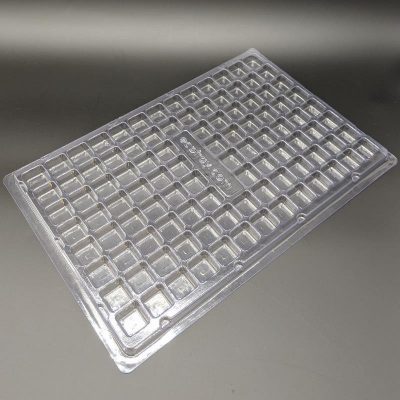
Shipping Tray .65 X .65 X .375
-
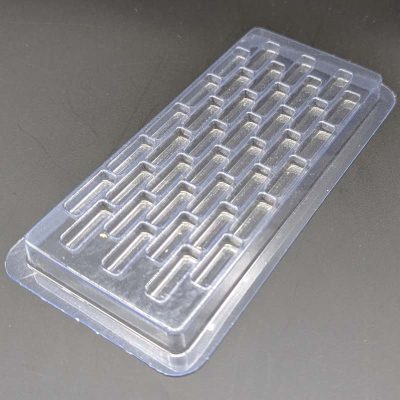
ESD Shipping Tray .68 X .18
-
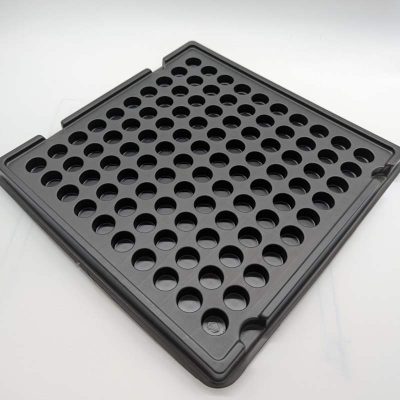
ESD Shipping Tray .7 DIA.
-
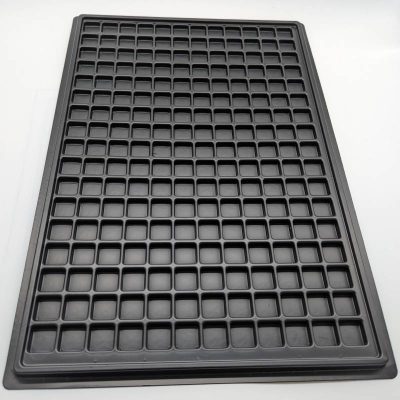
ESD Conductive Tray .75 X .75
-
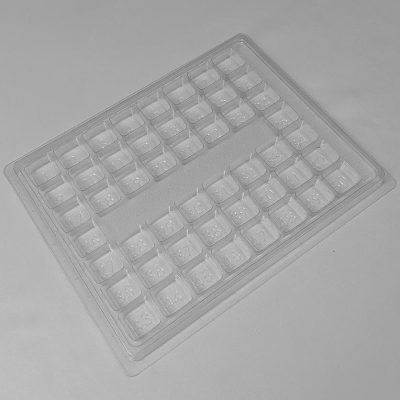
ESD Anti-Static Tray .77 X .75 X .4
-
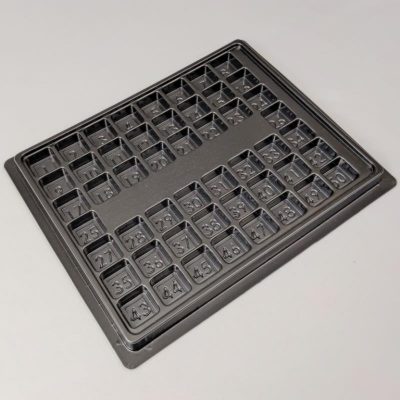
ESD Conductive Tray .77 X .75 X .4
The Ultimate Buyer’s Guide to ESD-Safe Cavity Trays for Electronics Shipping
In the electronics manufacturing supply chain, a single electrostatic discharge (ESD) event can ruin thousands of dollars of sensitive components. Whether you are shipping printed circuit boards (PCBs), microchips, sensors, or sub-assemblies, choosing the correct ESD-safe cavity tray is a critical decision for product reliability and cost control.
This guide is designed for procurement buyers, packaging engineers, hardware designers, and quality assurance teams to help navigate the technical nuances of anti-static shipping trays.
1. Material Lifetime: Reusable vs. Disposable Trays
One of the first decisions you must make is whether your supply chain requires a single-use (disposable) or a multi-use (reusable) tray. This choice heavily impacts both your upfront tooling costs and long-term ROI.
| Feature | Disposable / Single-Use Trays | Reusable / Heavy-Duty Trays |
| Typical Materials | Thin-gauge PETG, PVC, or Polystyrene (PS) | Thin to Thick-gauge HIPS, ABS, HDPE, or Polycarbonate |
| Best Used For | Direct-to-customer shipping, international transport where return logistics are impossible. | Closed-loop manufacturing, intra-plant transport, repetitive vendor-to-factory supply chains. Storage. |
| Upfront Cost | Lower per-unit cost | Higher per-unit cost |
| Sustainability | Easily recyclable if using standard PETG/PS. | Highly sustainable due to a long operational lifespan. |
2. ESD Properties: Topical Coatings vs. Inherent Protection
Not all “anti-static” plastics are created equal. The method used to give a plastic tray its ESD-safe properties determines its reliability over time.
Topically Coated Materials (Anti-Static)
Topical trays are made of standard plastics sprayed or dipped in an anti-static chemical agent.
- How it works: The coating attracts a microscopic layer of moisture from the air, which helps dissipate static charge.
- Pros: Very cost-effective for short-term shipping.
- Cons: The coating is temporary. It can wash off, rub off during transit, or degrade in low-humidity environments, leaving your components vulnerable.
Inherently Dissipative Materials (IDP)
These materials feature electrostatic dissipative properties mixed directly into the plastic polymer matrix during raw manufacturing.
- Surface Resistivity: Typically ranges from 10^6 to 10^11 ohms.
- Pros: The ESD protection is permanent, uniform, and will not wash or wear off. It provides a controlled, slower bleed-off of static charges, making it ideal for highly sensitive ICs.
Inherently Conductive Materials
Conductive materials are typically embedded with carbon powder or carbon fibers.
- Surface Resistivity: Typically less than 10^5 ohms.
- Pros: Permanent protection that rapidly moves static charges away from components. Excellent for robust grounding applications.
- Cons: Because it conducts electricity quickly, it may not be suitable for modules holding live battery power.
3. Key Cavity Sizing and Design Considerations
A tray’s cavities must do more than just hold a part; they must protect it from mechanical shock and automated handling mishaps.
- Component Clearance and Snugness: Cavities must be tight enough to prevent components from shifting or flipping during transit (which causes mechanical damage or pin bending), yet loose enough for easy insertion and extraction.
- Pick-and-Place Automation: If your trays are fed into automated assembly lines, the pocket tolerances must be incredibly precise. Ensure your tray manufacturer designs with JEDEC matrix standards or custom automated tolerances in mind.
- Finger Slots and Tweezers Notches: For manual assembly lines, ensure the cavity features ergonomic cutouts so operators can easily lift parts out without bending pins or scratching delicate surfaces.
4. Stacking Features, Lids, and Accessories
The exterior architecture of your ESD cavity tray determines how efficiently it can be stored, stacked, and transported.
- Stackable vs. Nestable Designs: * Stackable trays sit on top of one another without crushing the components in the cavities below. They are ideal for loaded transit.
- Nestable trays fit inside one another when empty, drastically reducing warehouse storage space and return-freight shipping costs.
- ESD Lids and Covers: A cavity tray only protects the bottom and sides of a component. For full 360-degree Faraday cage protection, pair your trays with matching, flush-fitting ESD-safe lids.
- De-nesting Lug Features: For automated environments, ensure your trays include small molded-in features called “de-nesting lugs” to prevent empty trays from vacuum-locking together when stacked.
5. Compliance and Quality Engineering Checklist
Before signing off on a bulk purchase order, your quality engineering team should verify that the manufacturer meets international electronics standards:
- ANSI/ESD S20.20 Compliance: The global baseline standard for establishing an ESD control program. Ensure your packaging vendor provides documentation proving compliance.
- Outgassing and Contamination: For aerospace or cleanroom environments, ensure the tray material does not outgas chemicals that could coat sensitive optical or electrical contacts.
Need a Custom ESD Cavity Tray Solution?
Choosing the right material, thickness, and cavity tolerances requires a balance of engineering precision and cost awareness. At Engineered Components & Packaging, in addition to 1000’s of off the shelf options, we design and manufacture custom and standard ESD-safe cavity trays tailored exactly to your components’ geometry and your supply chain’s demands.
Contact Our Engineering Team Today for a Free Design Consultation or Quote. CONTACT US!