
Medical Trays
About ECP Off-The-Shelf Medical Trays
ECP supplies OFF-THE-SHELF trays for medical packaging and storing medical product and components. These In-Stock trays are non-sterile plastic medical trays and not run in a cleanroom. The medical packaging is produced in clean location with limited exposure to the environment. Medical trays are packaged in plastic bags and do not have contact with the corrugated box. For more information on our medical tray and bin products see Plastic Medical Trays link.
Material Info (TekniMD Info Sheet | Data Page)
Medical material for trays is a CoPolyester (PETG style material) which is uncoated, designed for use with medical device packaging. TekniMD material can be sterilized using EtO, electron beam, and gamma radiation. The material is compliant with FDA and EU food contact regulations.
ADDITIONAL SIZES ! See our Downloadable CATALOG ! or CONTACT a Live Customer Service Agent.
Custom Trays: Clearnroom options at 10,000 pieces. Lower volumes, “clean practices” offered. See Custom Tray info at bottom of page. CONTACT US!
Stock Trays: “clean practices” include double bagging, hairnets, gloves, inspection (per request)
Showing all 21 results
-
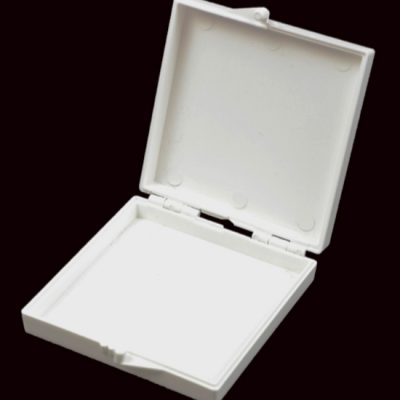
Medical Hinged Plastic Box
-
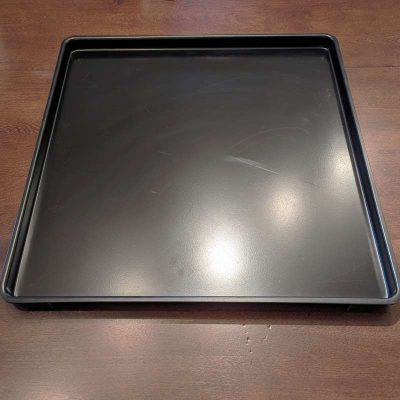
Medical Bottle Handling Tray 21 X 21
-
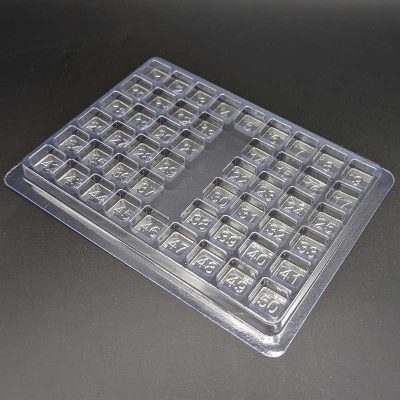
Medical Cavity Tray .525 X .525
-
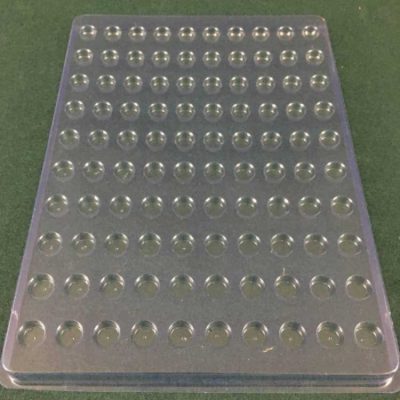
Medical Tray .5″ Diameter Cavity
-
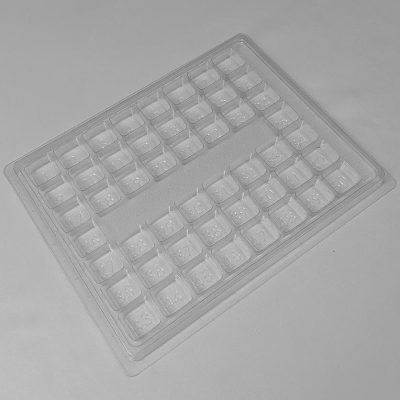
Medical Cavity Tray .77 X .75
-

Lab Tray .8 Spherelike Cavity
-
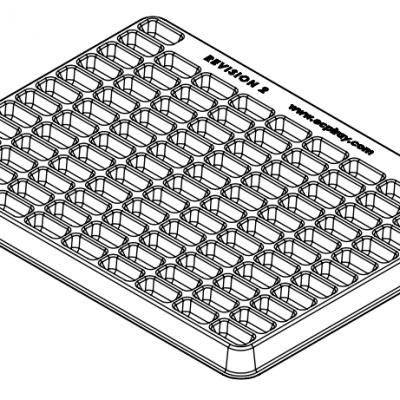
Medical Tray Cavity .875 X .375
-
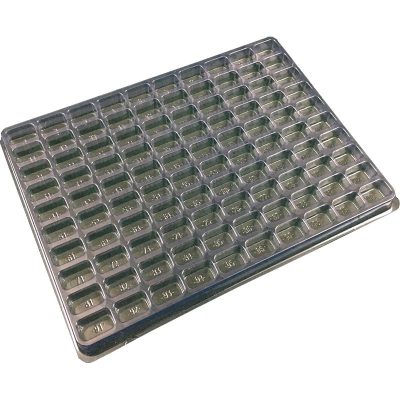
Medical Numbered Cavity Trays 1 X .63
-
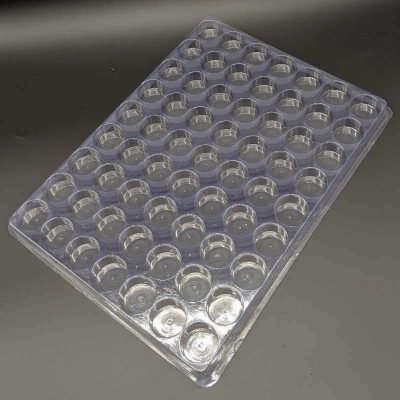
Medical Tray 1″ Diameter Cavity
-
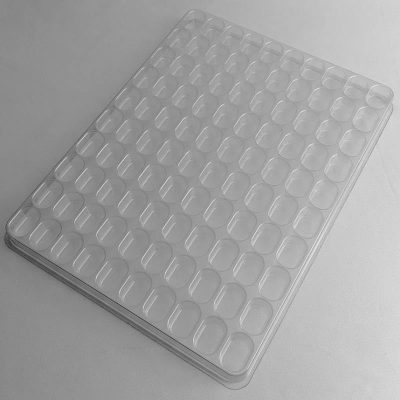
Medical Tray Cavity 1 X .6 X .5
-
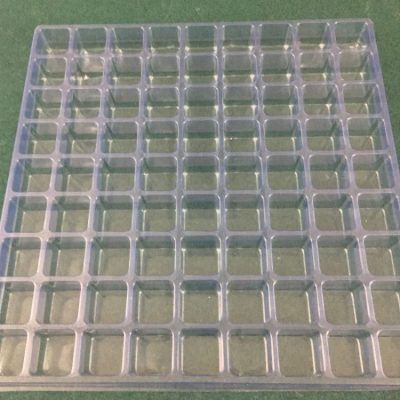
Medical Shipping Trays – 1 X 1 X 1
-
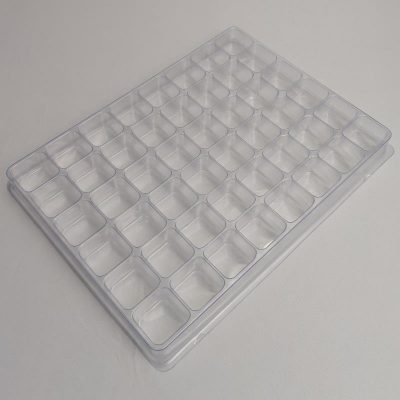
Medical Trays – 1.25 X 1.25 X .875
-
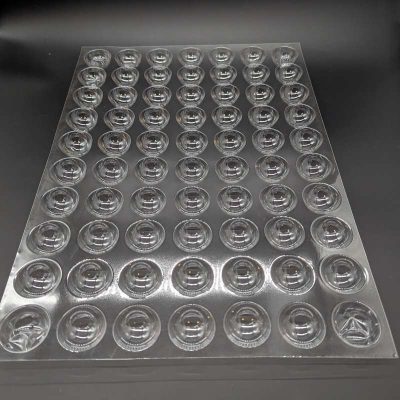
Lab Test Tray 1.5 Spherical Cavity
-
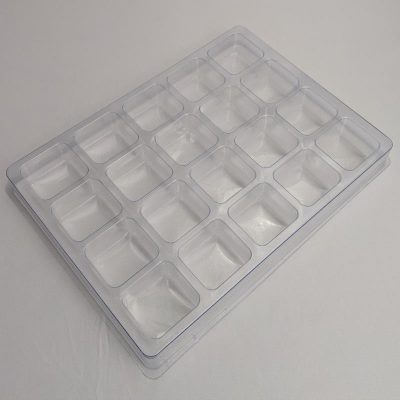
Medical Trays – 1.63 X 1.63 X 1
-
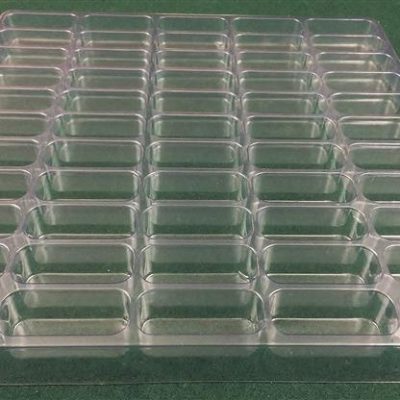
Medical Shipping Trays – 2 X 0.75 X 0.75
-
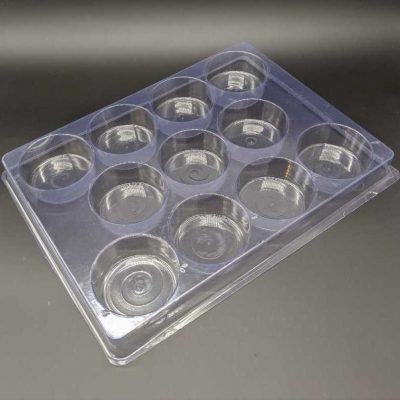
Medical Tray 2.5″ Diameter Cavity
-
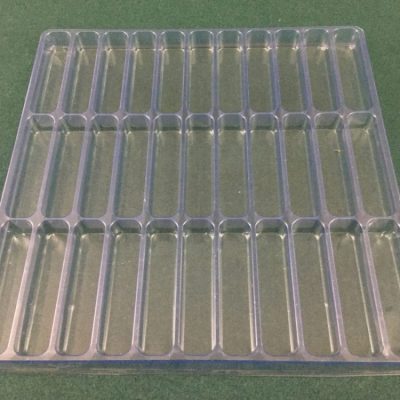
Medical Shipping Trays – 3.5 X 0.75 X 0.75
-
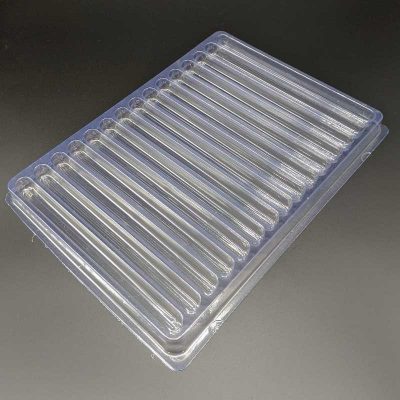
Medical Trays – 7.75 X .56 X .56
-
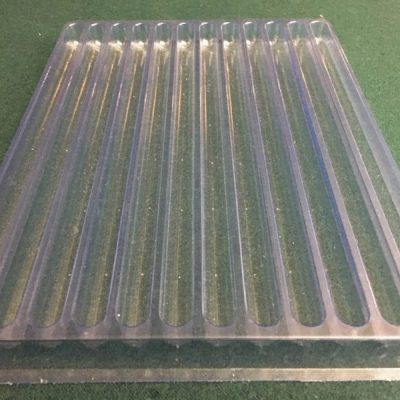
Medical Trays – 11 X .5 X .75
-
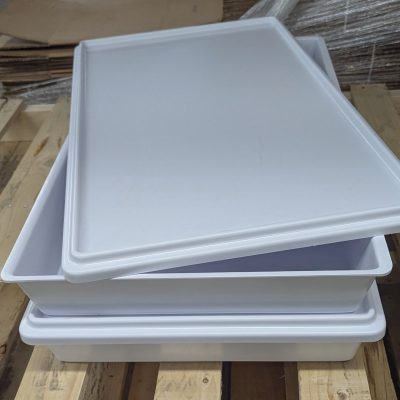
Medical Tray and Cover
-
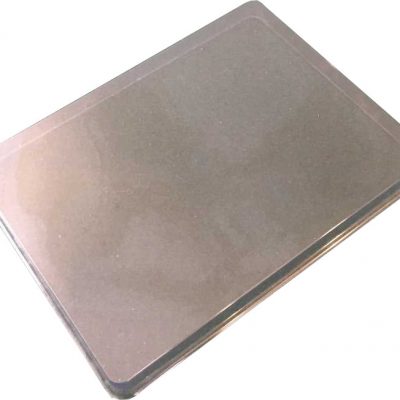
Medical Tray Cover 12″ X 9″
Medical Thermoformed Packaging Tray Quotation Check Sheet
GOAL: Improve communication, and ensure the critical details on new custom medical tray projects are complete and accurate. A huge range of requirements apply to medical trays. Some customers have few if any special requirements while others require specific sterilization compatibility or cleanroom compliance. See Thermoformed Medical Tray Checksheet.
1. Regulatory & Environmental Requirements for Medical Thermoformed Packaging Trays
- Device Classification & End-Use: What is the function of the thermoformed tray? Is the tray holding a non-critical machined component, a sharp instrument, or a high-risk implantable device? Or is the key function of the tray to protect the part and non critical (Note: Implantable devices require stricter bioburden controls and material traceability).
- Manufacturing Environment (Cleanroom): Is a thermoforming cleanroom required. If so, what ISO classification is required for production and packaging?
- ECP Tray Options: ISO Class 8 thermoformed cleanroom, Controlled Ambient, Non-Cleanroom. Double bagging, hairnets and gloves can be added to any of the levels if not already standard. We do not offer ISO Class 7 thermoformed cleanroom.
- Only custom applications in excess of 10,000 pieces qualify for cleanroom thermoforming
- Cleaning can be completed on some custom items in a controlled cleanroom environment using a special post forming cleaning process in an ISO Class 7 cleanroom.
- Sterilization Method Compatibility: Will the tray be sterilized and if so with what sterilization process? This impacts material choice.
- Options: EtO (Ethylene Oxide), Gamma Radiation, E-Beam, or Autoclave (Steam)?
- Bioburden & Particulate Testing: For cleanroom applications only, does the customer require routine bioburden or particulate testing on the trays post-production? What are the allowable limits?
2. Material Specifications used by Medical Device Tray Manufacturers
- Material Type & Formulation: What thermoforming material is required (e.g., PETG, APET, Polycarbonate, High-Impact Polystyrene)? Considerations include sealing, function, FDA compliant, heat deflection, reusability, and other items. Requirements such as USP Class VI or ISO 10993 compliant are for cleanroom applications and must be reviewed carefully. The most common material specified for medical trays is PETG.
- Material Gauge & Minimum Wall Thickness: What is the starting sheet thickness versus the absolute minimum acceptable wall thickness after thermoforming? As part of the thermoforming process material thins and will vary with some areas being thicker and some thinner. Thickness at the bottom of the cavity is typically the thinnest.
- Virgin Grade vs. Utility: Is recycled material acceptable? Utility is a word used for recycled material. Recycled material is good for the environment and of a high quality, but also allows for less control of the material stream. Certain certifications require virgin grade material. Also to ask is if a specific resin or grade is required.
- Color and Clarity (Visual Standards): Is a medical blue tint required (common for particle detection), or must it be crystal clear? Does it matter?
- Additives & Coatings: Are anti-static (ESD) topcoats, denesting silicones, or slip agents allowed? (Caution: Some medical clients strictly prohibit topical coatings due to device contamination risks). Most standard PVC’s and PETG’s have a topical application which is normally silicone. This is used to prevent the trays from sticking together as the material is tacky without the coating. Material options exist which do not have topical coatings and have denesting inherent in the material.
3. Thermoforming Design & Engineering
- Sealing and Lidding: Is this tray being heat-sealed to a lid (e.g., Tyvek)? If yes, who is supplying the sealing parameters such as flange width, and does the lip require a flat, unmarred surface for validation?
- Denesting Features and Automation: Will automation be used and/or how will the trays be separated? Are denesting lugs/tabs required for automated pick-and-place lines, and do they interfere with the part fit?
- Draft Angles & Radii: Is the part thermoformable? These questions are part of standard tray design and ensure the part geometry allows for proper thermoforming draft angles and generous radii to prevent stress cracking and web flashing?
- Finger Access: Is finger, tweezer, or robotic access required to remove the parts from the tray?
- Trimming: Depending on the material, some debris can originate from the dies including angel hairs. Is the part sensitive to debris? Heated dies may be needed.
- Other: Stacking, Lids, Reusability vs. one time use, quantity.
4. Quality, Validation & Tooling
- Tooling Material & Cavitation: Is prototype tooling required first? Will production tooling be machined aluminum (CNC) or cast? How many cavities are required to meet annual usage volume (EAU)? In most cases a prototype tool can be 3D printed. If not it can be made from an epoxy for short runs. The prototype mold will add to the overall project cost but will qualify a project and can highlight unexpected issues or results. If cavity fit is what needs to be tested a mini-mold 3D printed can test the cavity fit and function prior to investing in a thermoformed aluminum production mold.
- Traceability & Documentation: What paperwork must accompany each shipment?
- Options: Certificate of Compliance (CoC), Certificate of Analysis (CoA) for raw material, or full manufacturing lot traceability records?
Project Design Process & Approvals
The development process for thermoformed trays can include some or all of the items noted below. Each of these items is an approval step and will need written approvals.
- Quote based on initial review of requirements
- Design Review with customer and engineering team to review requirements.
- Design drawing and solid model files for approval
- Cavity sample mini tray formed from a 3D printed mold
- Full size Prototype tray from prototype tooling
- First articles from production tooling (FAI)
Considerations and Comments:
Stock Trays:
Stock trays can be run in multiple materials, and can be run using double bags and gloves. But these off the shelf stock thermoformed trays have specifications based on part number so there are limited options. For example, none of the stock trays are run in a cleanroom.
Disclaimer & Regulatory Notice
Customer Responsibility:
The purchasing/medical device company retains ultimate responsibility for determining the suitability, material compatibility, and validation requirements of the thermoformed tray for its intended end-use and sterilization method. Engineered Components & Packaging (ECP) provides manufacturing capabilities, technical data, and material samples based on customer-specified parameters but does not design or recommend specific trays without full operational context.
Disclaimer:
This white paper is a guide ONLY. This guide is intended for informational and training purposes only and does not constitute formal engineering, regulatory, or legal advice. Due to the highly specialized nature of medical device packaging, this checklist may not capture every variable or regulatory requirement for your specific project.
About the Author:
Chris Spiegel has been working with thermoformed packaging trays, including medical applications, for over 30 years. Chris worked at Pullman Mfg. Corporation for 13 years focusing on inline packaging, and thermoformed rotary medical components. The last 17 years has been focused on thermoformed tray packaging for both custom and off the shelf projects. This document was originally created as a training document for project managers and Engineered Components & Packaging, LLC – ecpplastictrays.com. Refer to LinkedIn Profile here.