
Trays for Optics
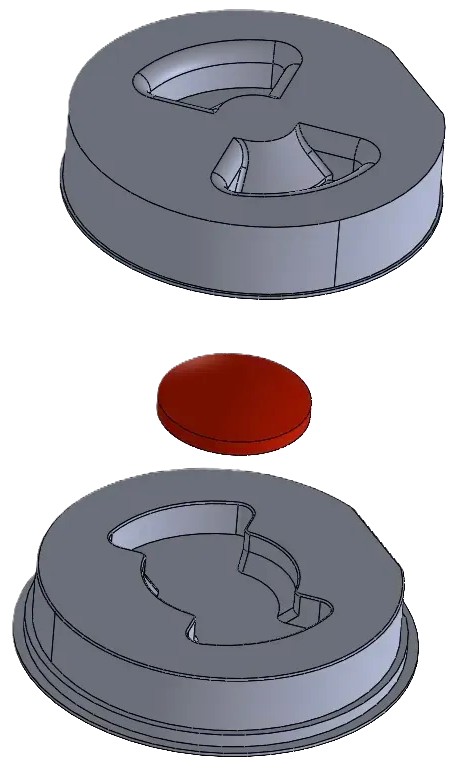 PETG Trays for optics are in stock protect the optic from damage during shipping and are a proven optics packaging solution for photonics, lenses, prisms, mirrors, gratings and laser components. STOCK sizes listed in product pages, complete listing of optics trays shown below as item 1.
- NO tooling with any of these optics tray options.
- SAMPLES available upon request.
- DOWNLOADABLE PDF
- CUSTOM optics trays are an option if none of the stock sizes fit.
- Static Dissipative PETG Material Available
- Low Outgasing PETG for all Optics Trays
- Standard item with product pages have optional lids; run to order items do not have lid options.
Showing all 10 results
-
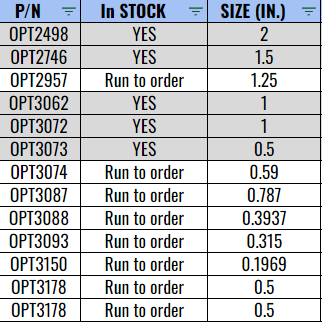
Optics Listing Rectangular Trays
-
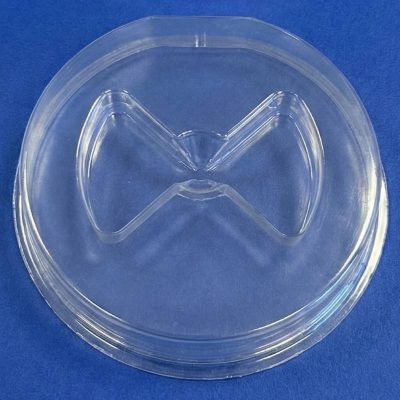
Static Dissipative Optics Tray 12.7mm Dia
-

Static Dissipative Optics Tray 19.05mm Dia
-

Static Dissipative Optics Tray 25.4 mm Dia
-

Static Dissipative Optics Tray 38.1mm Dia
-
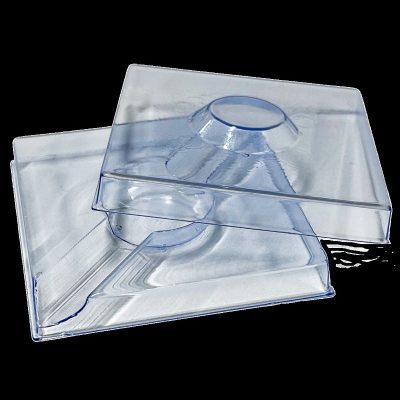
Optics Tray 12.7mm Dia
-
Optics Tray for 25.4mm Round
-
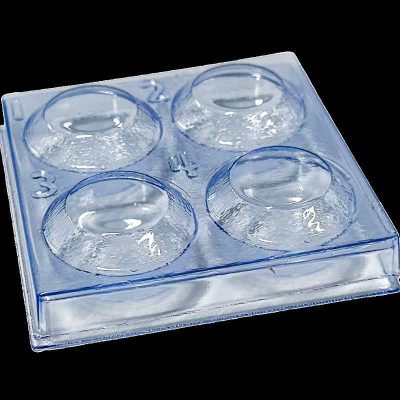
4 Cavity Optics Tray 25.4mm Dia.
-
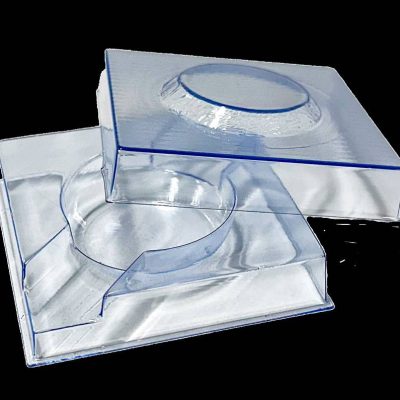
Optics Tray 1.5 Dia.
-
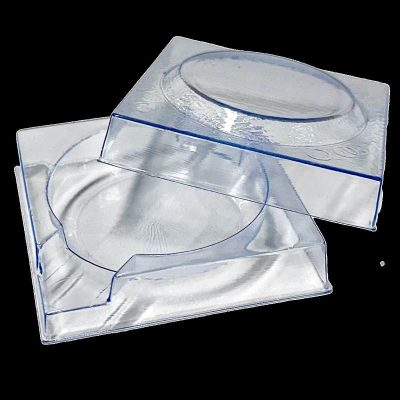
Optics Tray 50.8mm Dia Round
Trays for optics with special cavity design to protect the optic from damage during shipping. Sizes for round optics cavities range from .2″ diameter to 2″ in diameter. Square cavity sizes include 1.5″ X 1.5″ and 2″ X 2″. Custom trays are available. Ideal packaging for gratings, mirrors, prisms, windows, Lenses, and optical filters. PETG Static Dissipative Material is unique in the market. Contact us for more details.
END of off the Shelf Trays…. Custom Tray info below. Contact Us to review your application with a packaging specialist
The Guide to Custom Optics Thermoformable Trays: Design, Materials, and Development
Meta Description: Discover the essential guide to custom optics thermoformable trays. Learn about low-outgassing PETG materials, critical clearance areas, tooling costs, and the step-by-step development process for packaging engineers and optical buyers.
Tags: Custom Optics Trays, Thermoformed Packaging, PETG Trays, Optics Handling, Low Outgassing Packaging, Packaging Engineer, Injection Molding Packaging, Optical Tooling
Whether you are a packaging engineer at an optical components manufacturer or a professional buyer sourcing solutions for an injection molding company, protecting precision optics during transit and storage is a high-stakes challenge. Lenses, mirrors, prisms, and sensitive molded optical components require specialized packaging to prevent scratching, contamination, and mechanical damage.
This comprehensive guide explores the design requirements, material selections, cost advantages, and the step-by-step development process for custom optics thermoformable trays.
Why Choose Thermoformed Trays for Optics Packaging?
When comparing packaging methods for delicate optical components, custom thermoforming offers distinct advantages over foam inserts, molded pulp, or injection-molded trays:
- Exceptional Cost-Efficiency: One of the most significant advantages of thermoformed optics trays is the low cost of entry. Custom aluminum thermoform tooling for a production tray averages around $3,000. This is a fraction of the cost of injection mold tooling, making it ideal for both high-volume runs and specialized, low-volume product lines.
- Speed to Market: The thermoforming tooling process is significantly faster than competing methods, allowing you to move from prototype to full production in weeks rather than months.
- Precision and Cleanliness: Thermoforming allows for exacting tolerances that secure optics firmly while minimizing particulate generation.
Special Considerations for Optics Packaging Design
Standard packaging rules do not apply to optics. Designing a thermoformed tray for lenses, filters, or mirrors requires a highly specialized approach to protect critical optical surfaces.
1. Controlled Contact and Clearance Areas
The golden rule of optics packaging is that only specific, non-critical areas of the optic can contact the tray. * Zero-Contact Zones: The polished optical faces (clear apertures) must be completely suspended. The tray cavity must be designed with ample clearance areas (undercuts or drop zones) below and above the lens faces to ensure the plastic never touches the sensitive surfaces.
- Safe Contact Points: The tray should only make contact with the edges, bevels, or frosted perimeters of the optic. Packaging engineers use precision 3D modeling to ensure the tray grips the component by its non-active margins while preventing rotation or rattling during shipment.
2. Low-Outgassing Material Requirements
Optical coatings (such as anti-reflective or highly reflective coatings) are incredibly sensitive to chemical contamination. Standard packaging plastics can release volatile organic compounds (VOCs) over time—a process known as outgassing. This outgassing can condense on optical surfaces, causing an impossible-to-clean “fog” that degrades optical performance.
- The Industry Standard: PETG. For custom optics trays, PETG (Polyethylene Terephthalate Glycol) is the material of choice. PETG is naturally low-outgassing, ensuring that no chemical residue will off-gas onto your sensitive lenses. Furthermore, PETG offers excellent clarity, impact resistance, and doesn’t shed particulates like foam or cardboard.
- Even better is a Static Dissipative PETG. This material offers static protection, as well as a low outgassing material.
- Cleanroom Compatibility: PETG trays can be manufactured, cleaned, and sealed in cleanroom environments, making them perfect for medical, defense, and aerospace optical applications.
Our 4-Step Custom Tray Development Process
To guarantee that your optics are perfectly protected, a rigorous, milestone-driven development process is essential. We partner with packaging engineers and buyers to execute the following proven workflow:
Step 1: Design Drawing for Approval
The process begins with your optic’s 3D CAD model. Our design engineers create a custom tray layout that maximizes cavity density while strictly adhering to your required clearance zones and contact points. We submit a detailed 2D/3D design drawing for your engineering team’s approval, ensuring all dimensions, finger-notches for easy extraction, and stacking features are optimized.
Step 2: Cavity Sample for Fit and Function Testing
Before committing to full production tooling, we machine a single-cavity prototype mold. We thermoform a small batch of cavity samples using the specified PETG material. This allows your team to perform real-world fit and function testing. You can physically place your optic into the sample cavity to verify that the clearance areas are sufficient, the contact points are correct, and the component is held securely.
Step 3: Manufacturing of Production Tooling
Once the cavity sample is approved, we move forward with the production tooling. Because thermoform tooling is highly economical (averaging ~$3,000), we CNC machine a high-quality, multi-cavity water-cooled aluminum mold designed for high-volume repeatability and consistent wall thickness.
Step 4: First Article Approvals (FAI)
Before initiating the mass production run, we produce the first batch of trays from the production mold. These undergo rigorous First Article Inspection (FAI) to verify that the final multi-cavity tray matches the approved drawings and cavity samples in every dimension. Once you sign off on the FAI, full-scale production begins.
Related Information –
Optical Trays, Bins & Packaging