
Shipping Trays
Showing 361–390 of 465 results
-
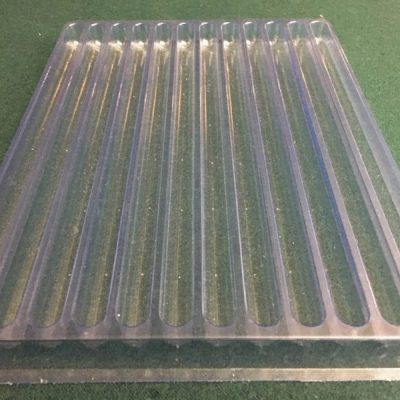
Medical Trays – 11 X .5 X .75
-
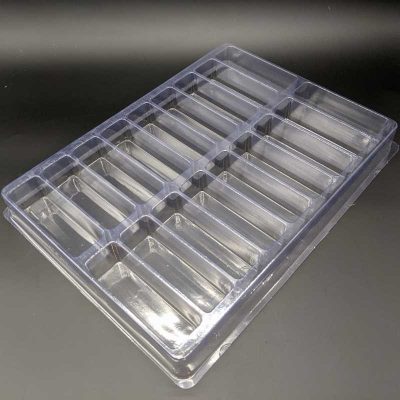
Rectangular Cavity Clear Plastic Trays – 3.5 X 1 X 1
-
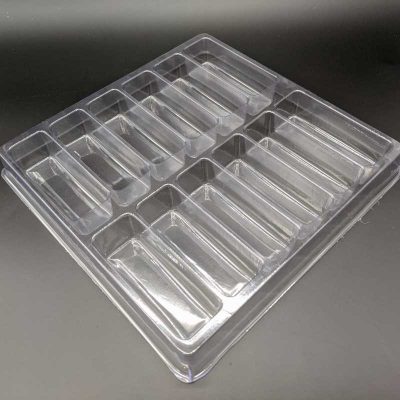
Rectangular Cavity Clear Plastic Trays – 3.5 X 1 X 1
-
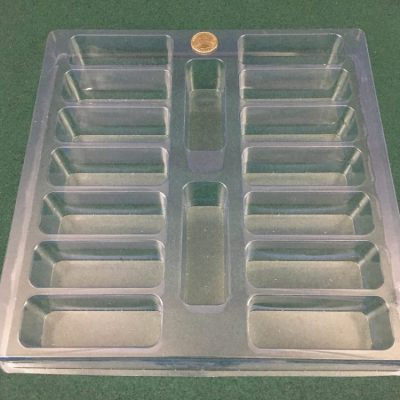
Rectangular Cavity Clear Plastic Trays – 3.5 X 1.18 X 1.5
-
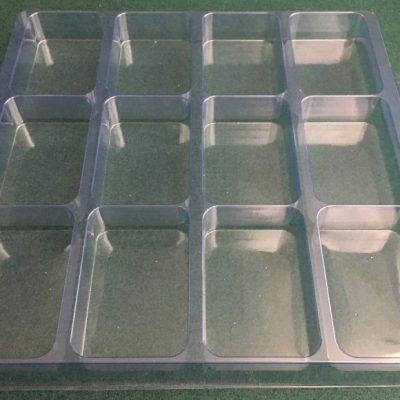
Rectangular Cavity Clear Plastic Trays – 3.5 X 2.25 X 1
-
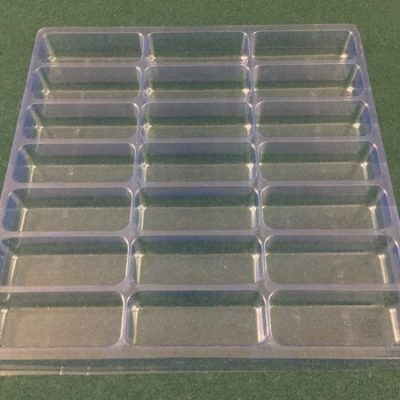
Rectangular Cavity Clear Plastic Trays – 3.60 X 1.30 X 1.13
-
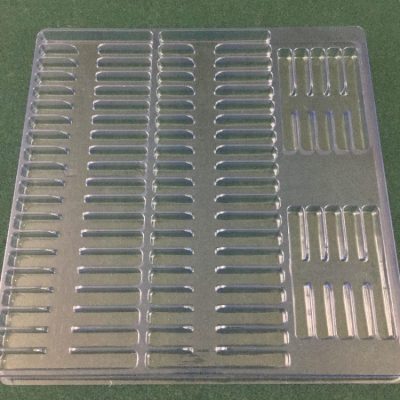
Rectangular Cavity Clear Plastic Trays – 3.70 X 0.44 X 0.45
-
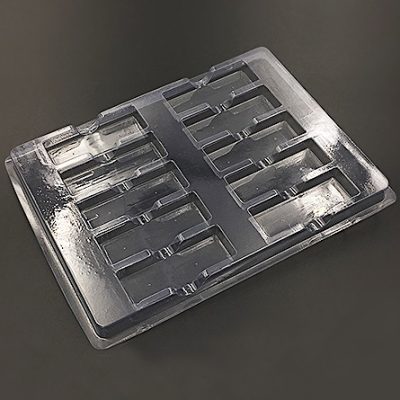
Rectangular Cavity Clear Plastic Trays – 3.72 X 1.2 X .5
-
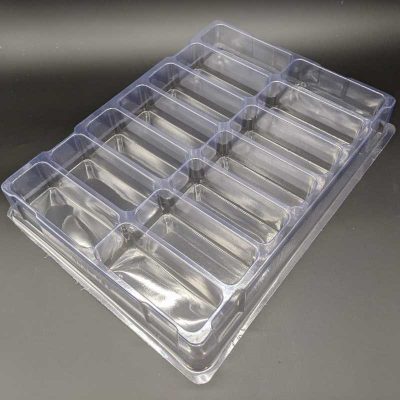
Rectangular Cavity Clear Plastic Trays – 3.75 X 1.31 X 1.25
-
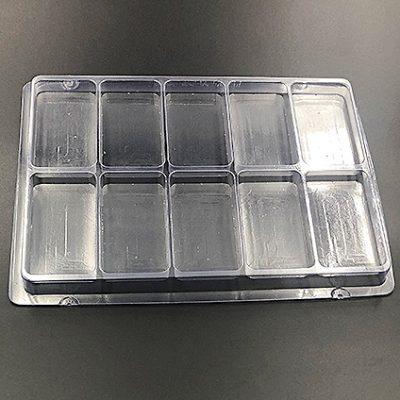
Rectangular Cavity Clear Plastic Trays – 3.75 X 2 X .5
-
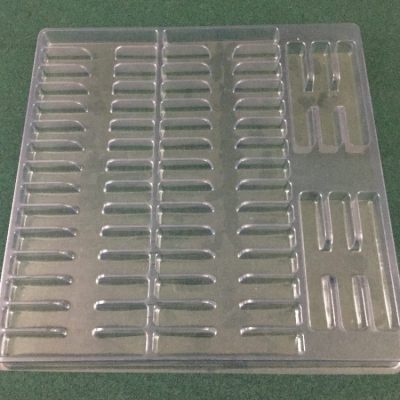
Rectangular Cavity Clear Plastic Trays – 4 X .5 X .6
-
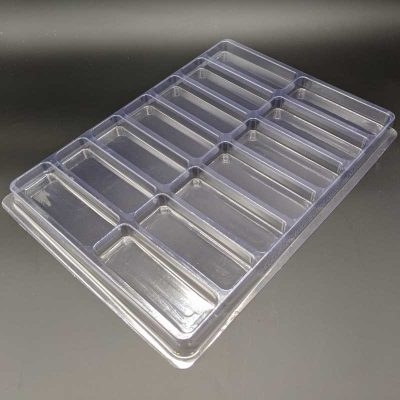
Rectangular Cavity Clear Plastic Trays – 4 X 1.3 X .5
-
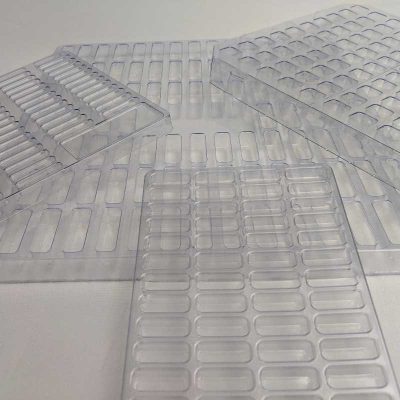
Vacuum Formed Tray 4 X .75 X .75
-
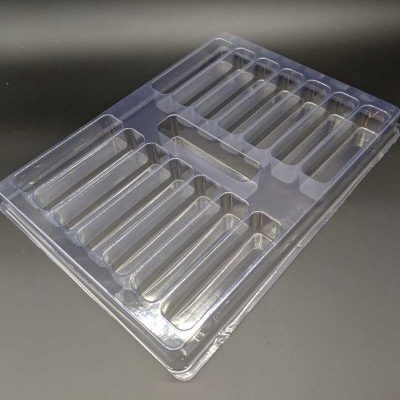
Rectangular Cavity Clear Plastic Trays – 4 X 1 X 1
-
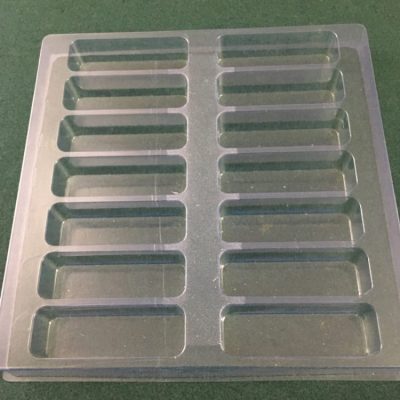
Rectangular Cavity Clear Plastic Trays – 4 X 1.2 X 1.15
-
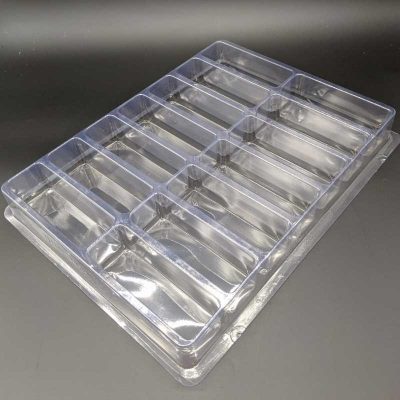
Rectangular Cavity Clear Plastic Trays – 4 X 1.31 X 1.25
-

Rectangular Cavity Clear Plastic Tray 4 X 1.63
-
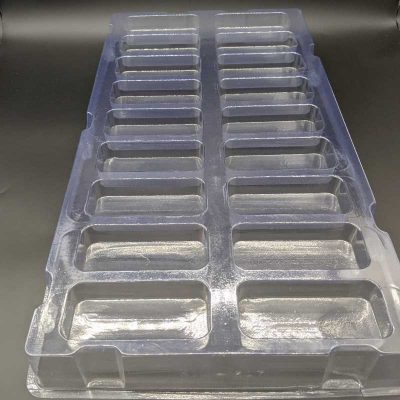
Rectangular Cavity Clear Plastic Trays – 4.00 X 1.75 X .75
-

Rectangular Cavity Clear Plastic Trays – 4.00 X 1.75 X 1.75
-
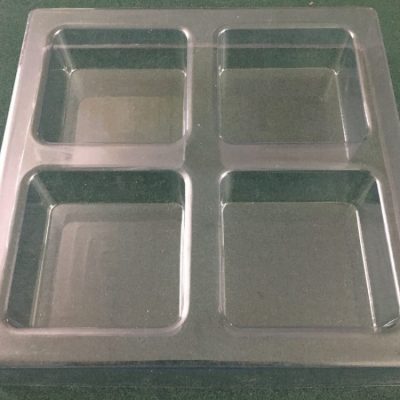
Rectangular Cavity Clear Plastic Trays – 4 X 4 X 2
-
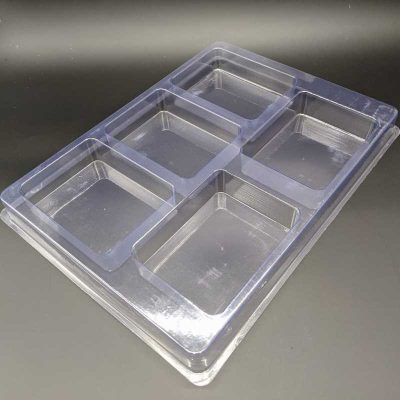
Rectangular Cavity Clear Plastic Trays – 4.00 x 3.00 x 1.00
-
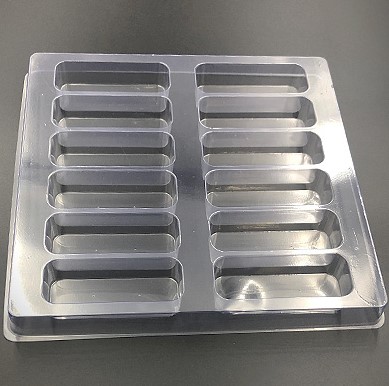
Rectangular Cavity Clear Plastic Trays – 4.13 X 1.50 X 1
-

Rectangular Cavity Clear Plastic Trays – 4.13 X 1.50 X 1.50
-
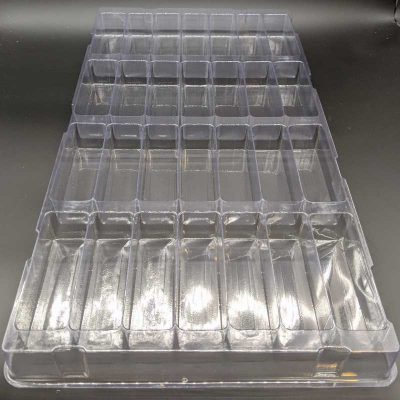
Rectangular Cavity Clear Plastic Trays – 4.15 X 1.38 X 1.25
-
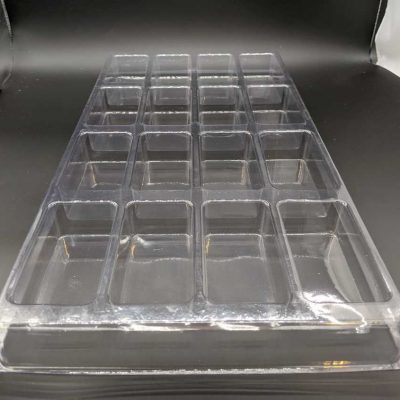
Rectangular Cavity Clear Plastic Trays – 4.15 X 2.15 X 1.38
-
Vacuum Formed Tray 4.25 X 2.5 X .75
-
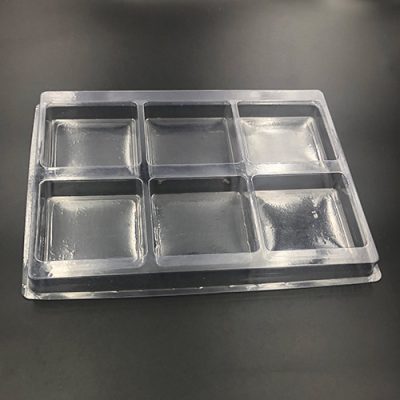
Rectangular Cavity Clear Plastic Trays – 4.25 X 4 X 1
-
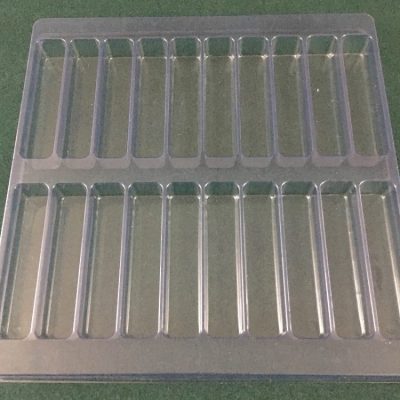
Rectangular Cavity Clear Plastic Trays – 4.28 X .88 X .88
-
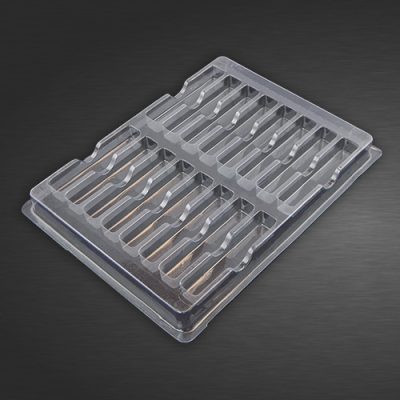
Rectangular Cavity Clear Plastic Trays – 4.3 X .68 X .68
-
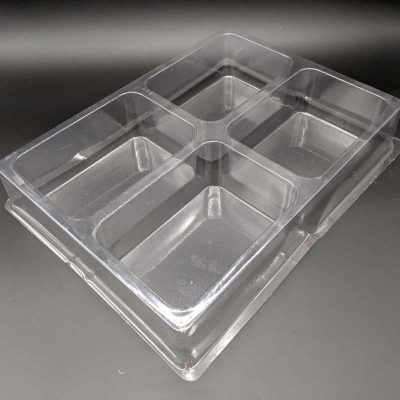
Rectangular Cavity Clear Plastic Trays – 4.31 X 3.38 X 2.00
Buyers Guide to Plastic Shipping Trays
Cavity Size
This is one of the most important considerations. With off the shelf plastic shipping trays, there are limitations on cavity shape. Most cavities are standard geometric shapes. Consider:
- Part size (to minimize movement in the cavity)
- Finger access (leave space in the cavity to easily remove part)
- Hint: a round part in a square cavity allows for finger access in the corners while offering many more size options.
- Hint: a round or oval cavity can be used to prevent some sensitive areas from contacting the tray. For instance a square part in a round tray would not allow the sides of the square to contact the tray.
- Hint: with very small parts, special plastic lids are available which have features that fit into the tray cavity preventing the small part from jumping out of the cavity in shipment.
Stacking
Stacking of plastic shipping trays is an important consideration. Main styles of stacking are listed below with features. Each tray offers different stack features. The main goal is to protect the component part, optic, medical part, esd part. Some parts can accept weight so will stack WITH LOAD on part. Some parts are fragile and need to STACK WITH NO LOAD on part. If the part accepts weight, almost any off the shelf tray will work and stack well. The tray above holds the parts down in the cavities below and are very good as component protection trays.
Standard Stacking Shipping Tray(WLOP)
WLOP = With Load on parts. This type of tray has no special stack features. It allows for stacking where the weight of the tray above rests on the parts in the tray below. The parts still are still protected on all sides and only contact the plastic tray.
Plastic Lid used with Standard Stacking Shipping Tray
With a plastic tray that has no stack features, lids can be used in the stacking process to prevent weight being placed on the parts in the trays. The lid also helps keep the part clean and is a nice package for your customer when they receive the parts.
Rotational Stacking Shipping Tray(NLOP)
NLOP = No Load on Parts. A plastic tray with rotational stacking has stack features built into the tray. Normally a rotation of 90 degrees for a square tray, or 180 degrees for a rectangular tray will activate the features. The tray above will rest on the tray below and not on the parts. With this stack method, an empty tray is often used as the lid in the stack inside the box.
Materials
What are the Lowest Cost Materials for Plastic Shipping Trays?
The least expensive materials for shipping trays and the materials used for most off the shelf plastic trays are PVC clear plastic, HIPS – High Impact Polystyrene, and PETG.
How to Choose The Right Shipping Tray for Electronics?
If protecting circuit boards or sensitive electronics, ESD material is needed. With regard to off the shelf shipping trays, most clear materials have a topical coating which gives the tray its properties of being ESD safe. These topically coated materials have a shelf life and are usually not appropriate for reusability unless tested. For reusable off the shelf ESD safe shipping trays or containers, conductive black HIPS is the most common and economic reusable material.
Sourcing Off-The-Shelf Medical Packaging
Medical parts have a huge range of material specifications for packaging. On the high end there is FDA material run in a cleanroom. Off the shelf trays run in a cleanroom are generally not available. For off the shelf medical trays, options include standard materials, or a FDA PETG or Polyester which has no denesting agent. These higher end options are normally run to order. Double bagging is an option on run to order items for an extra cost. Double bagging allows the inner bag to be removed from the outer bag and brought into a cleanroom having had no contact with the corrugated material.
The Whole Package
Overall tray size is important as part of the total package. Some of the packaging considerations are noted. Within the box and tray package, the vacuum-formed shipping insert is just one key component.
Box vs. Plastic Insert Tray Size
Ideally trays should stack inside the box with little space in the length, width, and height. Any possible movement inside the box will allow for damage during a drop test, or a real drop. A ¼” – ½” buffer is a good guide where the tray size is slightly smaller than the ID of the box. This allows for the tray to fit easily inside the box but doesn’t allow for excessive movement. In the height direction, no space should be allowed. If separation of the stack occurs, parts can jump out of cavities and the total package may fail. A piece of foam or some packing material at the top of the box should be used, if needed, to prevent vertical movement.
Weight
Weight can be a factor in choosing a tray. If your customer has a maximum weight per box, then the box size, tray size, cavity count, and number of trays that fit in a box will all need to be considered. The tray itself has a low weight, usually between ¼ and ½ pounds. So the part weight is the main contributor to total box weight.
Glossary
What is Custom Thermoformed Packaging?
Custom thermoformed packaging are trays, clamshells, or blisters manufactured with the thermoforming process. Custom trays allows for special cavity sizes, and features not available with off the shelf vacuum-formed trays.
What is Stock Thermoformed Packaging?
Stock thermoformed packaging are vacuum-formed trays where the tooling has already been made with a specific cavity size, and to a specific tray size. Features are set and not changeable. There is no tooling cost required when purchasing off-the-shelf vacuum-formed trays.
Packaging Shipping Inserts
Trays are most often used in a corrugated box, or bin. These vacuum-formed insert trays function by holding the components inside the box, not allowing them to contact each other and preventing damage.
Draft Angle
Almost all thermoformed cavities, and trays have engineering draft. Draft is a slight angle which allows the tray to be removed from the mold. The draft prevents the cavity walls from being exactly 90 degrees.
Flange
A flange is the horizontal surface on the perimeter of the tray. This functions as a method of handling the tray, it adds structure to the tray, and is sometimes used to seal a lidding material to the tray.
Starting Gauge
With thermoforming, the material is heated, and stretched over the mold to form the tray. The stretching causes the material to thin. For instance a .030” starting gauge material may thin to .020” or less in certain areas of the tray.
Material | Comparison for Shipping Tray Material Options |
| HIPS or High Impact Polystyrene | Available in white and black colors. Custom colors are available with minimum buy. HIPS has high impact resistance, and is inexpensive. There is no denesting agent on HIPS and none required. |
| PVC Clear | The color is clear. PVC has a durable material and low cost. It is less likely to crack vs. HIPS with a longer life. PVC has a denesting agent applied to allow for easy separation of trays. This agent is normally silicone. |
| PETG | The color is clear. PETG is slightly more expensive and is also a durable material. PETG is available with or without a denesting agent. When used, it is normally silicone. FDA and medical grades are available. |
| HDPE or High Molecular Weight Polyethylene | This material is usually black or natural(off white). It is intended for Industrial Dunnage Trays. The material is normally run in heavier gauges for long term use. HDPE is chemical resistant. It can warp depending on design, which can be a consideration in automation tray applications. |