Foam Trays vs. Vacuum Forming: A Cost-Benefit Analysis
If you are a supply chain manager, manufacturing engineer, or packaging specialist, you know the constant struggle of finding the right way to protect parts during transit or assembly. When dealing with delicate or high-value components, standard packaging simply will not cut it. You need custom cavities.
Historically, vacuum forming (thermoforming) or injection molding were the go-to solutions. But what happens when you only need a low volume of trays, and your tooling budget is strictly limited? Absorbing a $5,000 mold fee for a run of just a few hundred parts destroys your ROI.
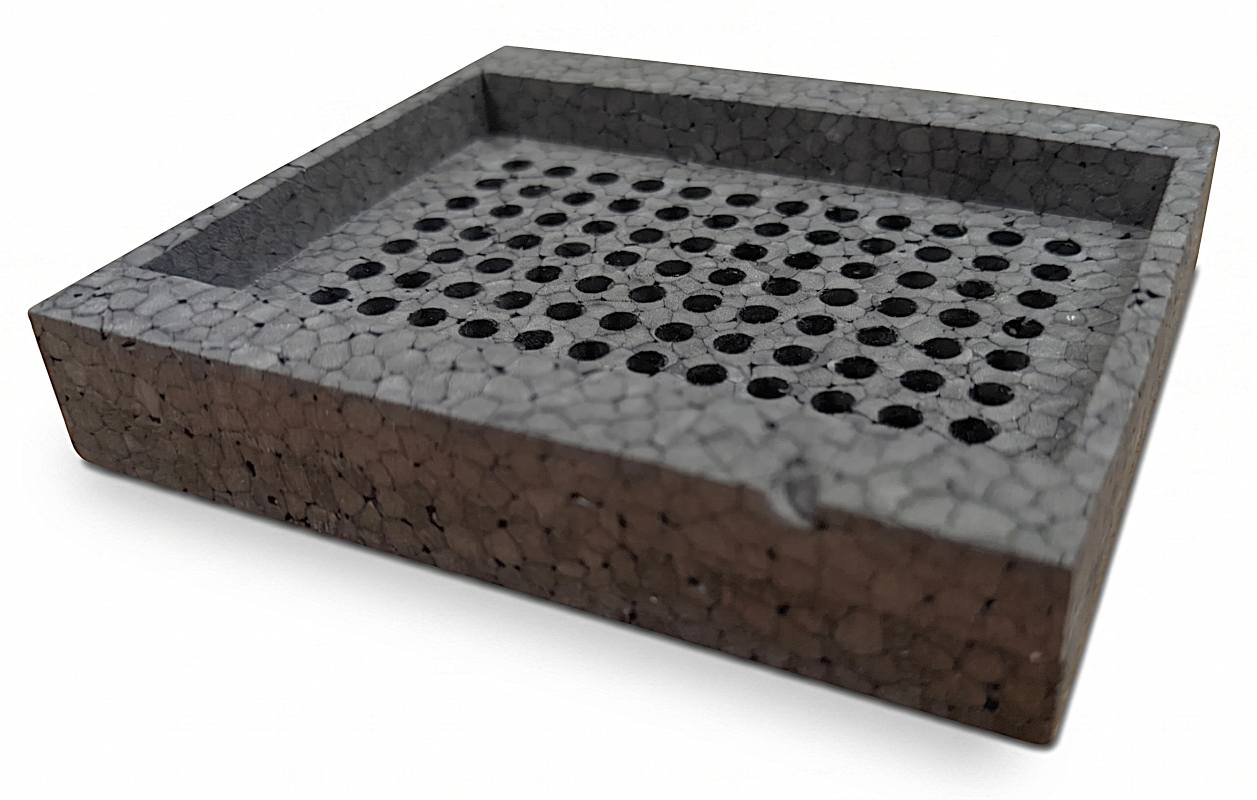
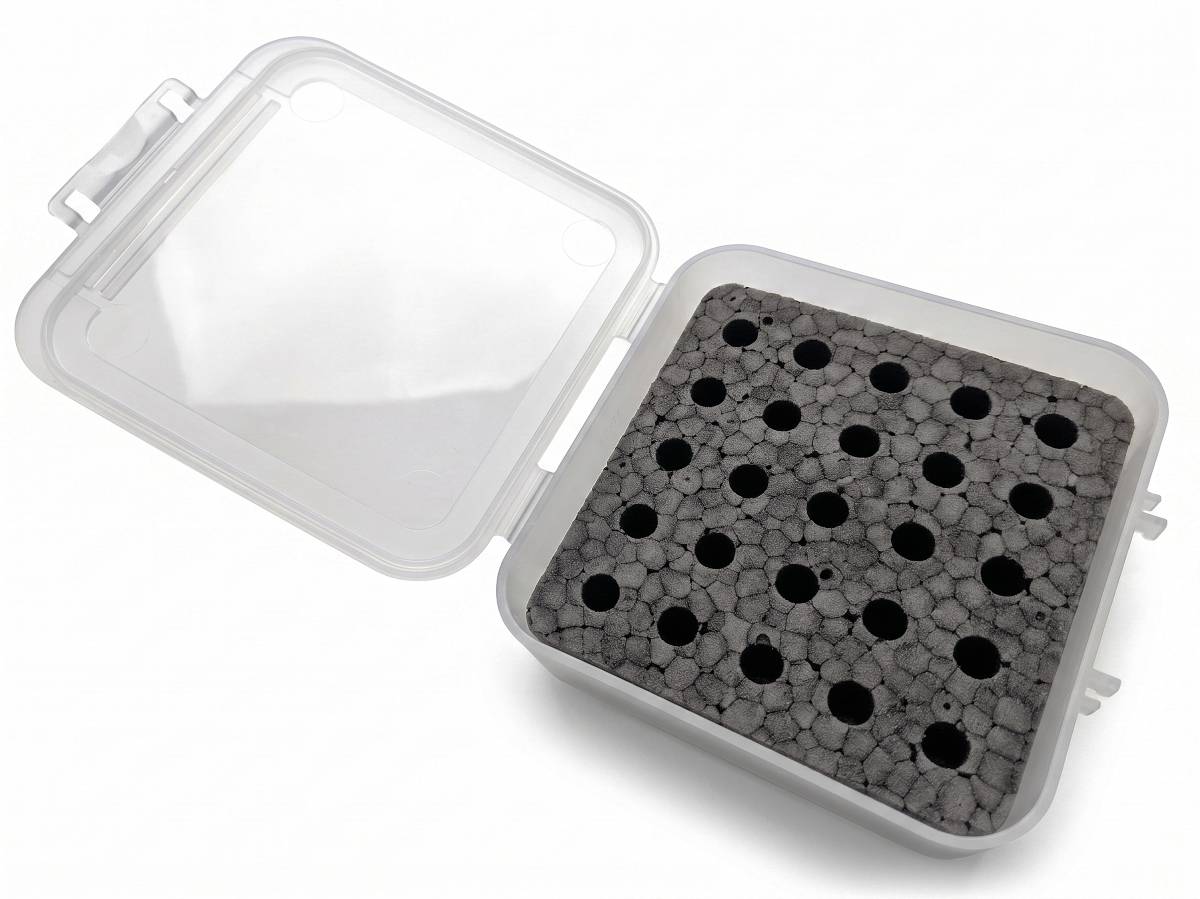
Fortunately, there is a highly engineered, cost-effective alternative: custom foam trays. Below, we break down why CNC waterjet-cut foam is rapidly replacing vacuum-formed plastics for low-volume parts protection.
The Upfront Reality: The $95 vs. $5,000 Tooling Dilemma
The single biggest barrier to entry for custom parts protection is the upfront tooling cost.
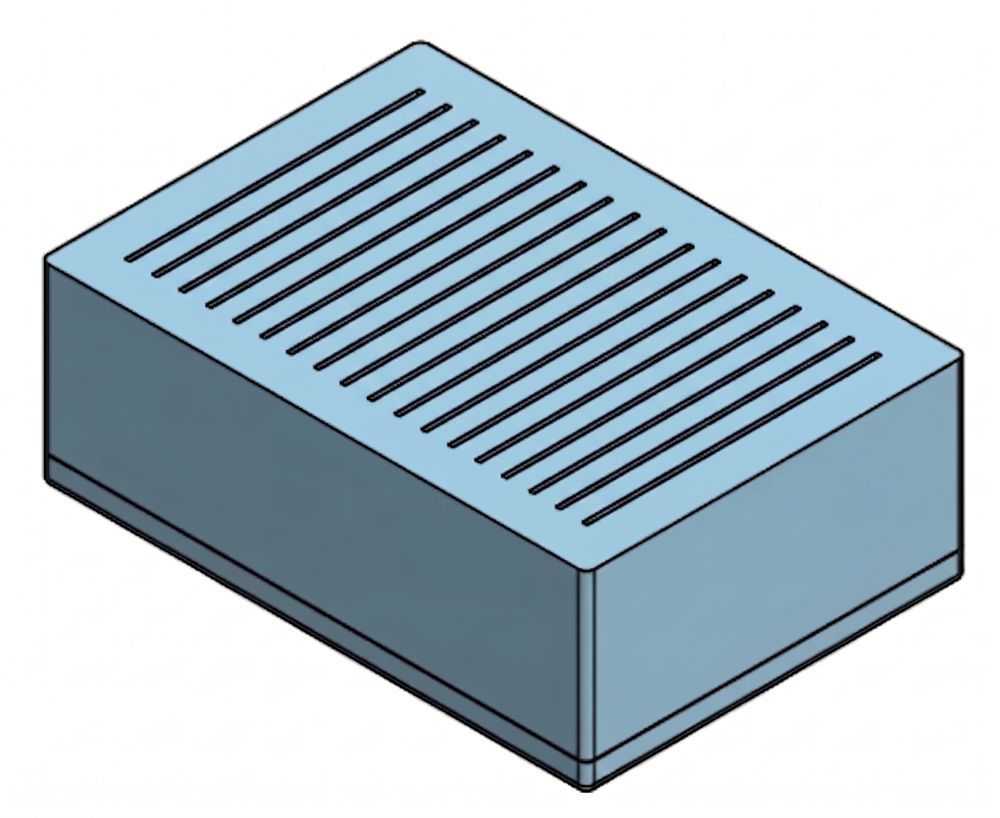
If you opt for a thermoformed tray, a physical aluminum mold must be machined before a single piece of plastic is formed. This tooling easily averages $5,000 or more. Worse, if your part dimensions change in the next production cycle, that expensive mold becomes obsolete, and you have to purchase a new one.
Custom foam trays bypass this expensive hurdle entirely. Because industrial foam is precision-manufactured using CNC waterjet cutting technology, there is no need to machine a physical metal mold. The cutting path is programmed directly from a digital CAD file. Samples are inexpensive and designs are easy to change.
The result? Any custom foam tray can be made for a tooling charge of only $95. This massive reduction in upfront costs completely shifts the financial viability of custom packaging, allowing you to protect your parts without blowing your budget before production even begins.
The Champion of Low-Volume Manufacturing and Custom Cavities
Because of the high mold costs associated with vacuum forming, manufacturers are typically forced into high Minimum Order Quantities (MOQs) just to amortize the initial tooling expense. But what if you are doing a limited production run?
Custom foam trays are the undisputed champion for low-to-medium volume applications. Whether you need 50 trays for a specialized medical device, 200 trays for an aerospace component, or 500 trays for an automotive sub-assembly, foam delivers premium parts protection without forcing you into massive volume commitments.
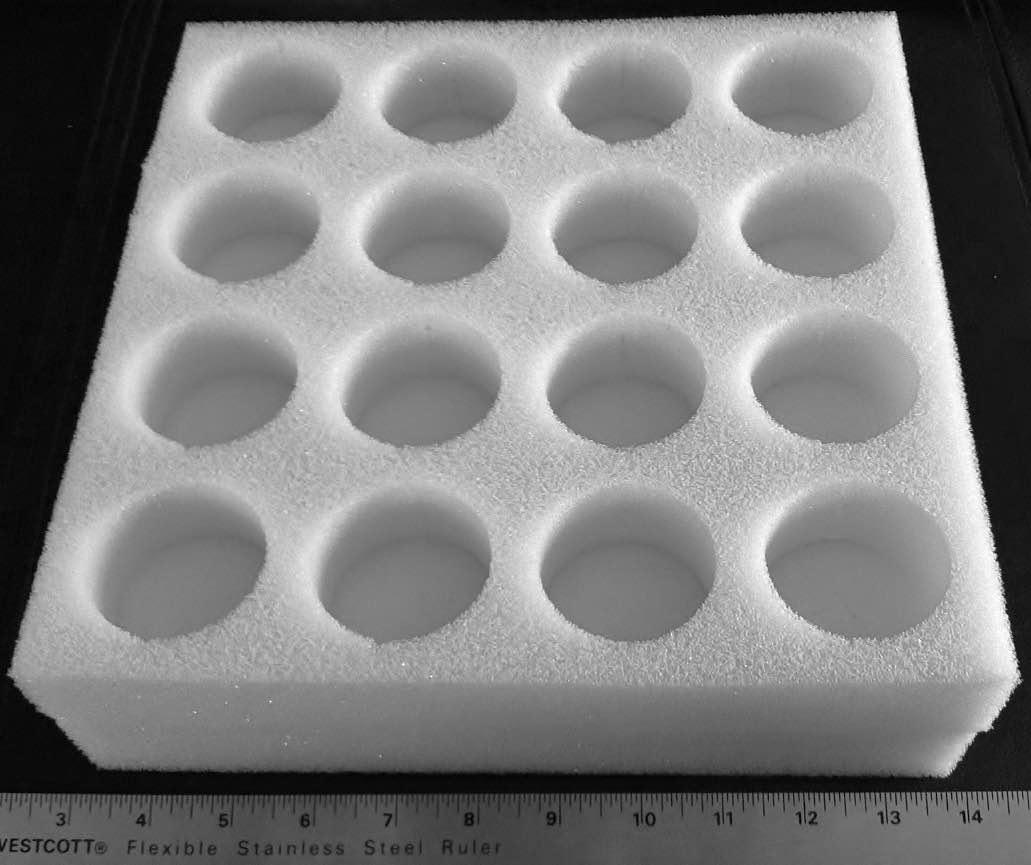
Furthermore, the CNC waterjet process allows for incredibly intricate, custom-shaped cavities. Nested pockets can be cut to perfectly hug the specific contours of complex or fragile parts, preventing shifting and damage during transit. If you need to tweak the design after the first prototype? It is a simple digital file adjustment—no expensive mold modifications required.
Foam Trays vs. Vacuum Forming: Quick Comparison
| Feature | Custom Foam Trays | Vacuum Formed Trays |
| Tooling Cost | ~$95 (Digital setup) | $5,000+ (Physical mold) |
| Ideal Volume | Low to Medium | Ultra-High |
| Design Agility | High (Easy digital adjustments) | Low (Requires new physical mold) |
| Shock Absorption | Excellent (Absorbs impact) | Moderate (Can transfer impact to part) |
| Surface Protection | Non-abrasive, scratch-resistant | Can scuff delicate Class-A surfaces |
Engineered for Industry: Structural, Heavy-Duty Materials
When some people hear the word “foam,” they mistakenly picture the squishy, low-density material used in pillows or cheap mattress toppers. Industrial packaging foam is entirely different.
To properly protect parts, custom trays are manufactured from a robust lineup of highly engineered, structural materials designed for durability, rigidity, and impact resistance:
- Polyethylene (PE): A dense, closed-cell foam providing excellent shock absorption, vibration dampening, and resistance to water, grease, and chemicals.
- Expanded Polyethylene (EPE): Lightweight yet semi-rigid, offering superb non-abrasive surface protection for parts sensitive to scratching.
- Expanded Polypropylene (EPP): An incredibly durable foam known for its structural memory. It can take multiple heavy impacts without deforming, making it a staple in heavy-duty material handling.
- Cross-Linked Polyethylene (XLPE): A premium, high-density closed-cell foam with a smooth, aesthetically pleasing finish. XLPE is highly rigid, water-resistant, and perfect for Class-A surface protection and cleanroom applications.
- Polyurethane (PU): While open-cell, industrial PU foams are formulated to offer superior cushioning for ultra-lightweight, highly fragile items like sensitive electronics.
These industrial-grade foams hold their shape, stack securely on pallets, and provide superior shock isolation compared to rigid plastics.
The Bottom Line for Your Packaging Strategy
Vacuum-formed trays still hold value for many packaging applications. However, if your primary goal is to protect parts during low-volume production runs while working with a limited tooling budget, custom foam trays are the clear winner.
With a simple $95 tooling charge, zero physical molds, and the precision of CNC waterjet cutting, making the switch to custom structural foam isn’t just a smart engineering choice—it is the best way to protect your bottom line.
Foam Tray Information