
Stock Plastic Bins
Stock plastic bins are available in different styles & different sizes. The most popular style is the “Stock Plastic Bin with Dividers”. This bin is available in multiple colors, with dividers, with insert trays, or as a stand alone heavy duty stacking bin. Other related products: ESD BINS, INSERT TRAYS.
-
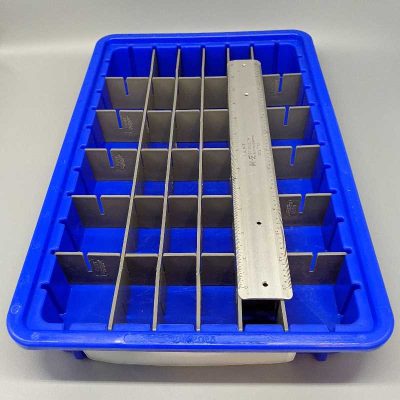
Low Cost In-Stock Plastic Bins (15)
-
Plastic Bins with Dividers (80)
-
Plastic Nesting Bins (52)
-
Heavy Duty Insert Trays (10)
-
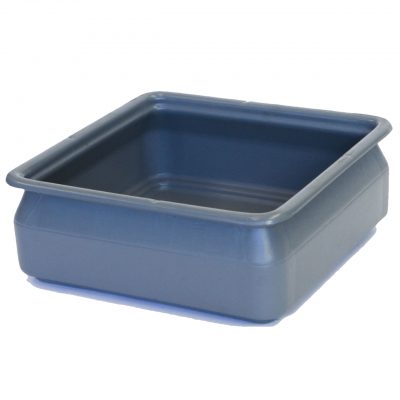
Heavy Duty Plastic Stacking Bins (18)
-
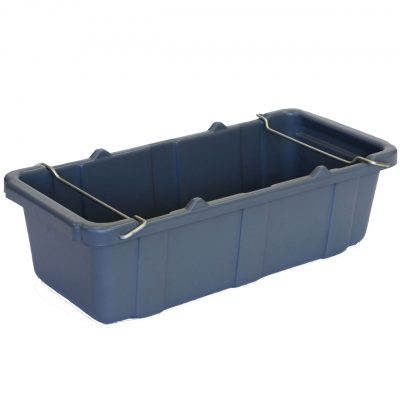
Long Plastic Bins (11)
The Professional Buyer’s Guide to Industrial Returnable Packaging Bins
In high-precision manufacturing, “generic” storage is a liability. Transitioning to a professional returnable system requires an understanding of material science, lean workflow integration, and electrostatic safety. This guide outlines the technical criteria for selecting the right infrastructure for your facility.
Industrial Divider Bins: High-Density Organization
Industrial divider bins are designed to maximize “cube” utilization and streamline part retrieval. Unlike residential bins, these systems utilize rigid geometries to withstand conveyor friction and heavy vertical loads.
Dividable Grid Containers: These feature a heavy-duty perimeter with internal slots, allowing for a “grid” of variable-sized compartments. They are the gold standard for storing small mechanical components like fasteners, O-rings, or machined valves.
Slotted Bins with Dividers: These bins utilize high-impact side walls with precision-molded slots. They allow for rapid reconfiguration as part geometries change, making them ideal for agile manufacturing environments.
Workflow Integration: For facilities practicing Lean, these often serve as 5S storage bins—where “a place for everything” is visually enforced by color-coding and clear labeling.
ESD Bins: Electrostatic Discharge Protection
For quality engineers in electronics or EV battery assembly, standard plastic is a hazard. Industrial bins for these sectors are chemically treated or impregnated with carbon to manage static.
Conductive Totes: Often black in color, these have a very low electrical resistance (typically $< 10^5$ ohms). They provide a rapid path to ground, effectively “shielding” the contents from external static fields.
Static Dissipative Containers: These allow charges to flow to ground more slowly and in a controlled manner (typically $10^6$ to $10^9$ ohms), preventing sudden sparks that can fry sensitive microcircuits.
Anti-static Component Bins: These are often treated with a topical coating that prevents the initial buildup of triboelectric charges.
Selection Tip: Use ESD-safe bins that are tested to international standards (like ANSI/ESD S20.20) to ensure full compliance on the factory floor.
Advantages of Reusable Bins
While the upfront capital for returnable systems is higher than expendable cardboard, the ROI is realized through:
Cost-per-Trip: Professional bins often last over 100 cycles, whereas cardboard is a single-use expense.
Waste Reduction: Eliminates “trash on the line,” reducing labor costs associated with breaking down boxes and disposal fees.
Automation Compatibility: Standardized dimensions (such as Euro Containers) ensure that bins move seamlessly through Automated Storage and Retrieval Systems (ASRS).
Applications of Industrial Dunnage Bins
Dunnage refers to the internal protection that secures a part. This is critical for part-sensitive dunnage applications where vibration or surface abrasion must be eliminated.
Internal Logistics: Moving “Class A” surface parts (like automotive trim) between workstations.
Shipping & Transit: Custom dunnage inserts ensure that heavy or fragile parts remain stationary during sea or rail transport.
Kanban Bins: These are often integrated into “Just-in-Time” lines, where the bin itself acts as the reorder signal, and the dunnage ensures parts are oriented for robotic pick-and-place.
Materials for Maximum Durability
The lifespan of your returnable program is dictated by the polymer selection.
High-Density Polyethylene (HDPE) Bins: Known for an incredible strength-to-density ratio and impact resistance, even in cold-storage environments.
Polypropylene (PP) Totes: Preferred for their superior chemical resistance and “living hinge” properties. PP is less prone to stress cracking when exposed to industrial oils or high-heat wash cycles.
Impact-Resistant Industrial Bins: Often formulated with specialized co-polymers to withstand the “knock” of forklift tines or high-speed conveyor impacts.
Bin Inserts: The Critical Interior
The bin is the “shell”; the insert is the “protection.”
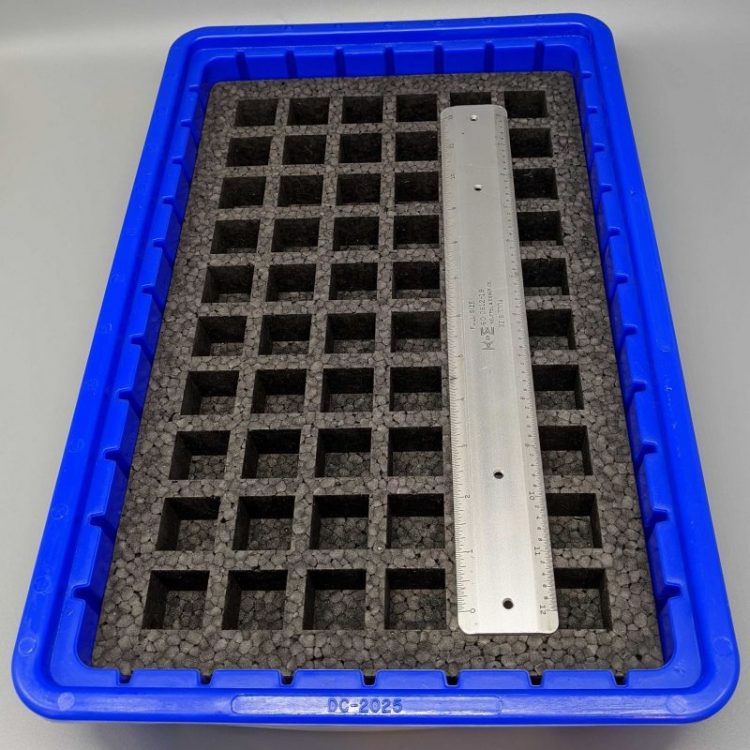
Foam Inserts: Typically made from Cross-linked Polyethylene (XLPE), foam provides high-level shock absorption and is custom-routed to the specific shape of a component.
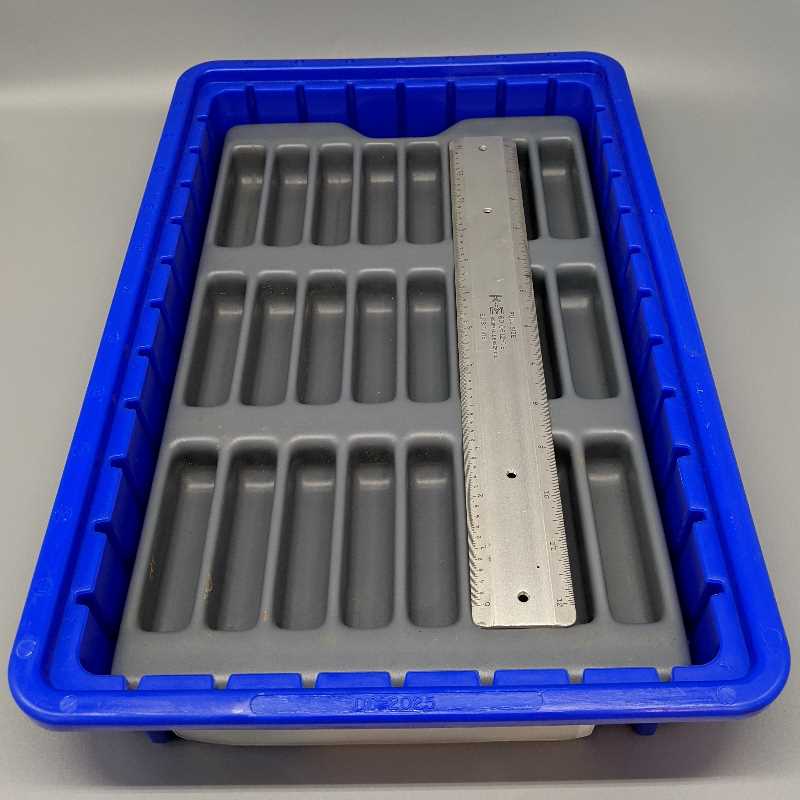
Thermoformed Tray Inserts: These rigid plastic trays provide exact part positioning, essential for automated assembly lines.
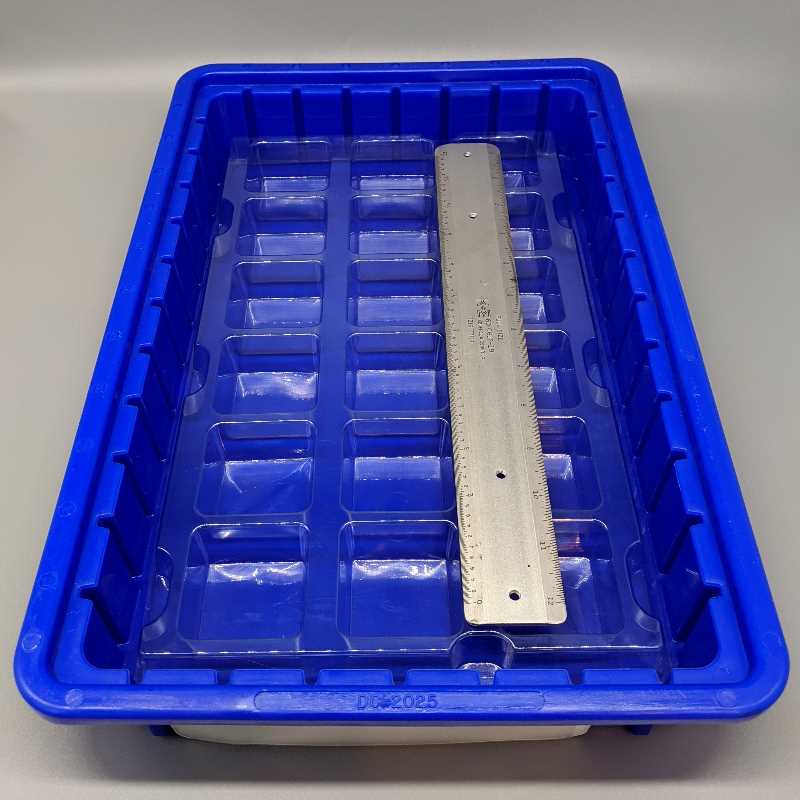 ESD Stock Plastic Divider Bins
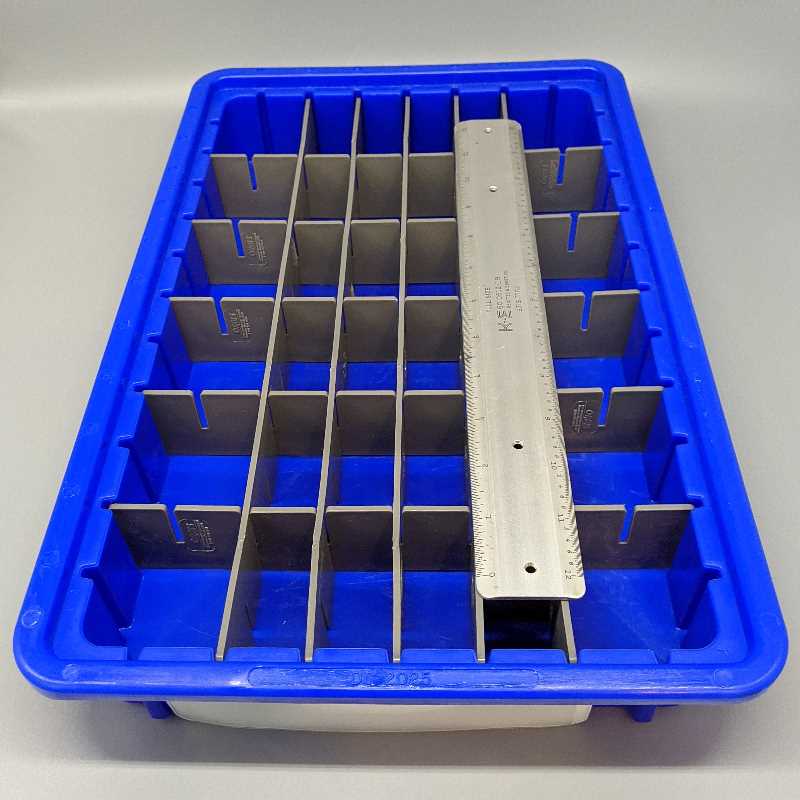
Dividers as Inserts: * Corrugated Plastic Dividers: Lightweight and cost-effective, these “honeycomb” structures are ideal for segregating large quantities of parts.
Logistics Standards & Space Efficiency
To ensure your bins fit on standard pallets and racking, look for these standardized footprints:
Euro-Size Bins (Euro Containers): Standardized on the 1200x800mm pallet footprint.
Standardized 600×400 Bins: Four fit per layer on a Euro pallet.
400×300 Stacking Totes: Eight fit per layer; ideal for small-to-medium parts.
Stack and Nest Totes: These bins stack when full and “nest” inside one another when empty, reducing return freight costs by up to 75%—a critical factor in returnable packaging ROI.
Best Practices for Procurement
Audit the Environment: Determine if the bins will be exposed to extreme cold (choose HDPE) or chemicals/heat (choose Polypropylene).
Define the Footprint: Standardize on 600×400 or 400×300 sizes to ensure your bins are “future-proof” for ASRS and standard palletization.
Test the ESD Path: If purchasing conductive totes, ensure your flooring and shelving are also grounded to complete the safety circuit.